



What is the difference between a hypodermic syringe and a disposable syringe?
 Aug 11, 2026|
 View:2807
Syringes are essential instruments in the medical industry, serving various roles from medication and vaccine administration to body fluid extraction. Hypodermic syringe and Disposable syringe are two types of syringes among many others but are the most used ones. Although these words are typically interchangeable, they describe disparate thoughts characterized by their uses and attributes. This blog is to explain the differences between hypodermic syringes and disposable syringes, in terms of design, usage, safety, and chemical implications.
Quick Answer: Hypodermic Syringe vs Disposable Syringe
The key difference between a hypodermic syringe and a disposable syringe is what each term describes. A hypodermic syringe is primarily defined by its intended use for injecting substances into or withdrawing fluids from the body, while a disposable syringe is defined by its single-use design.
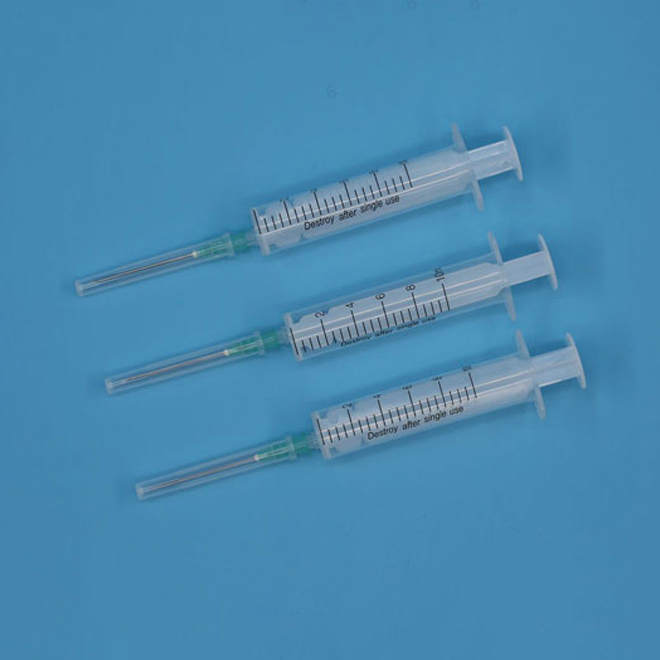
These terms are not mutually exclusive. A syringe can be both hypodermic and disposable. For example, a disposable hypodermic syringe is designed for hypodermic injection or aspiration and intended for single use.
In simple terms, “hypodermic” describes the application, while “disposable” describes the use cycle.
| Feature | Hypodermic Syringe | Disposable Syringe |
|---|---|---|
| Main definition | Intended for injection or aspiration | Intended for single use |
| Focus | Application | Use cycle |
| Can be disposable? | Yes | Yes, by definition |
| Can be reusable? | Some designs may be | No |
| Needle | May be supplied with or without a needle | May be supplied with or without a needle |
| Common applications | Injection and aspiration | Injection, fluid handling and other applications depending on design |
Defining Hypodermic Syringes

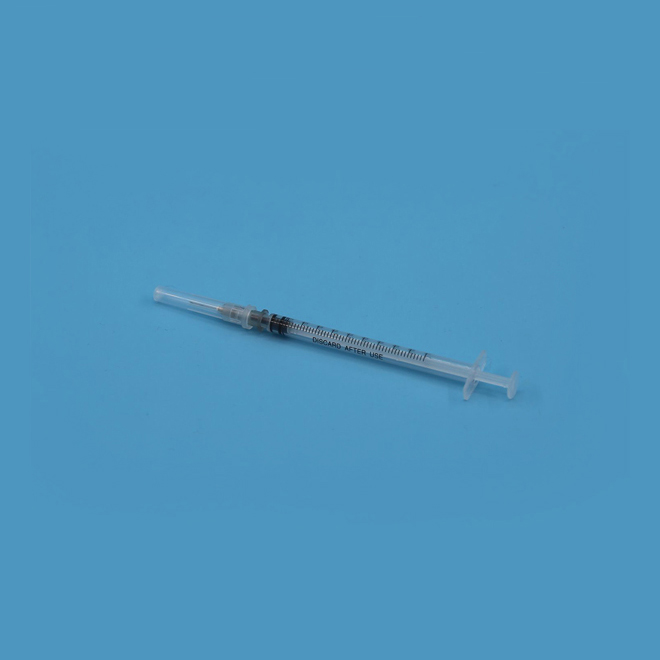
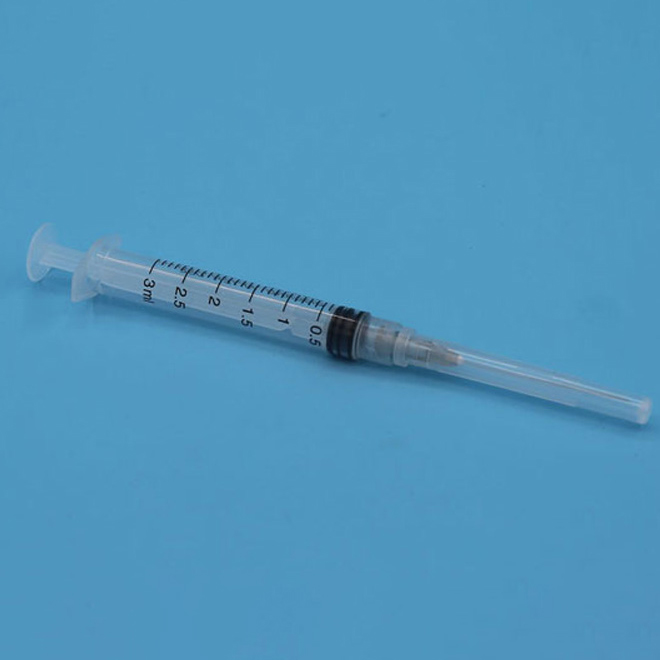
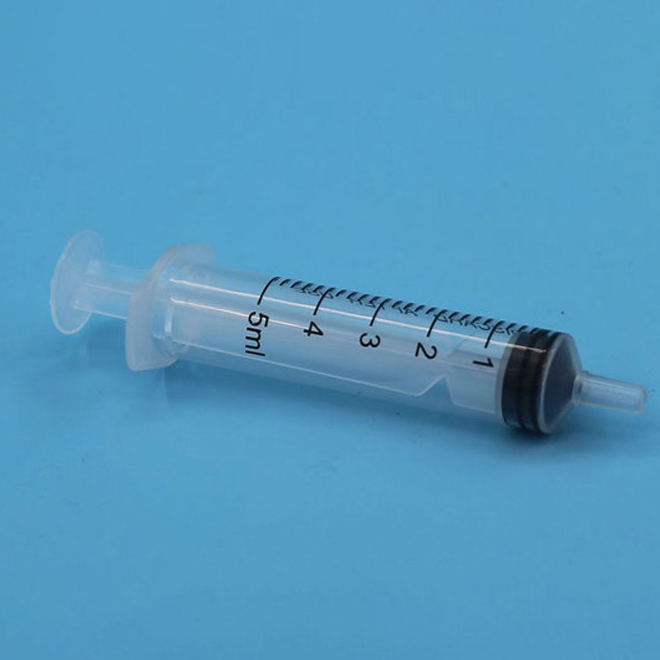
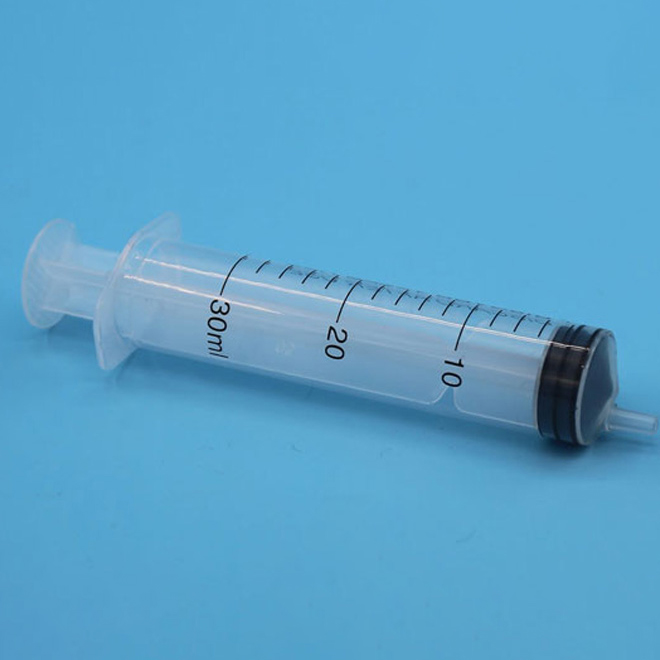
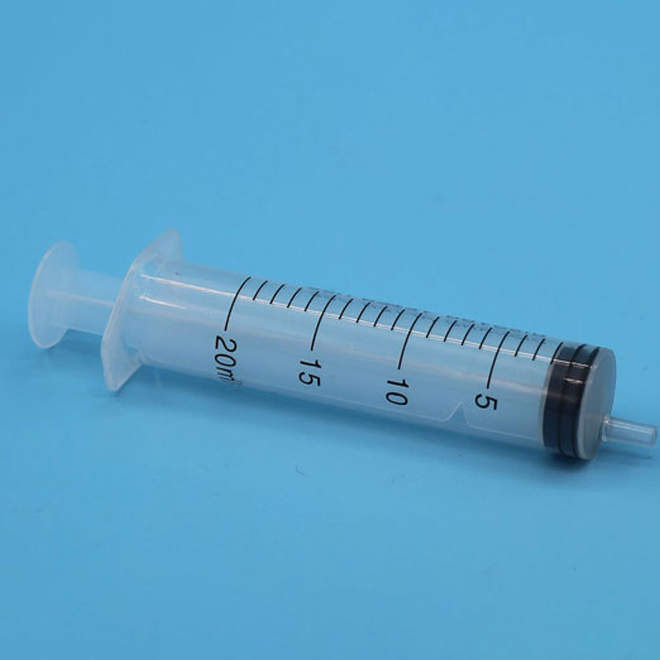
Hypodermic slang noun A hollow needle and a syringe or other device for injecting a substance into the human body The syringe typically comprises three primary components: a cylindrical barrel, a plunger, and a needle. The barrel also has measurement marks that enable medical professionals to measure the quantity of liquid being injected or drawn. Depending on the type of injection to be administered and the specific injection site, the needle can be of different gauge and length.
Hypodermic syringes are either disposable or reusable. Using a hypodermic syringe puts the focus on its purpose to inject, not its ability to be disposed of.
Defining Disposable Syringes

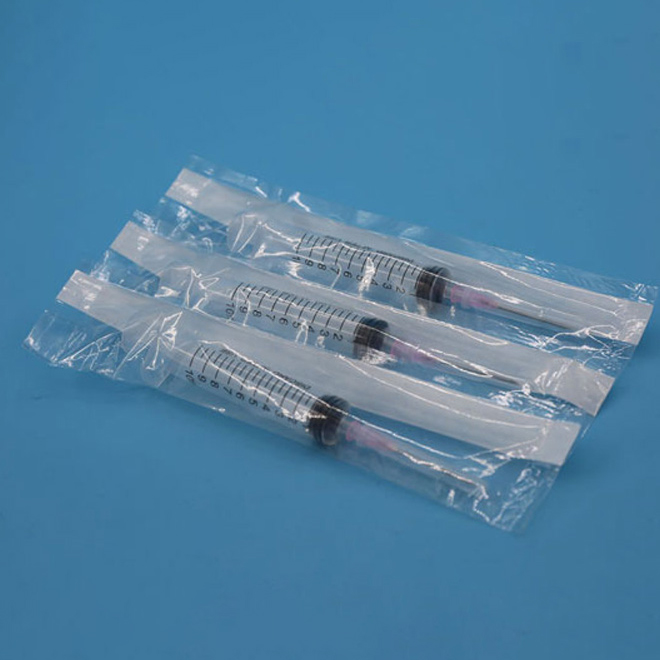
A disposable syringe means any syringe that is even used once. Such syringes are generally plastic and pre-packed under sterile conditions. Hypodermic syringes can be used as disposable syringes, but the term includes a wider variety of syringe types, including those used to deliver oral medication or for use in a laboratory. A disposable syringe is built that will be used only once and then thrown away which avoids the contamination of an individual.
Are Hypodermic Syringes and Disposable Syringes the Same?
Hypodermic syringes and disposable syringes are not exactly the same category. The term hypodermic syringe mainly refers to the intended medical application, while disposable syringe refers to the intended single-use design.
A hypodermic syringe can therefore be disposable or, depending on the product design and intended use, reusable. Likewise, a disposable syringe does not necessarily have to be a hypodermic syringe because disposable syringes can also be designed for other fluid-handling applications.
The relationship can be summarized as follows:
Hypodermic = application
Disposable = single-use design
Disposable hypodermic syringe = both
Hypodermic Syringes Vs Disposable Syringes: Key Differences
Terminology and Focus
Hypodermic Syringe: This is a more specific term that refers to syringes that are used for injections. Hypodermic syringes can be reused or disposable.
Compare this term with: Disposable Syringe: The term that refers to any syringe that is intended to be used only once, with an emphasis on disposability. Hypodermic syringes are included, as well as other types of syringes used in various medical contexts.
Material Composition
Hypodermic Syringe: Historically, hypodermic syringes were often made with glass or plastic. Hypodermic syringes can be reusable (often glass and cleaned thoroughly in sterilization after each use) or disposable (made primarily from plastic).
Disposable Syringe: Disposable syringes are made of plastic and are typically light weight and occupy low cost, which are meant to use once. They are made in a sterile environment to be safe for first time use.
Safety and Infection Control
Hypodermic Syringe: Hypodermic syringes are perfectly safe when used correctly, but reusable versions almost always need to be professionally cleaned and sterilized to avoid infection. If they are not well kept, they could cross pollinate between patients.
Disposable / Single Use Syringe: Complex design helps reduce scope of infection and cross-infection. The remaining syringes should be disposed of immediately in labeled sharps containers, which enhances safety for healthcare professionals.
Cost Considerations
Hypodermic SyringeHypodermic syringes are typically more expensive upfront because of their material and process of manufacturing as were reusable hypodermic syringes. However, they can ultimately be more cost-effective if appropriately managed and sterilized, particularly in environments needing regular injections.
Disposable Syringe: When looking at disposable syringes on a per-unit basis, they are, in general, less expensive, therefore making it attractive. In high-volume healthcare environments, the costs can quickly become significant, making it crucial to address budget considerations.
Environmental Impact
Hypodermic Syringe: Hypodermic syringes are reusable and are better for the environment if they are maintained and sterilized. They also create less waste over time than a single-use option.
Reusable Syringe: Subject to a higher risk of injury, they are also not completely sterile. They add to the mountains of medical waste, and most are made of plastics that are not recyclable, so more of them end up in landfills. The difficulty here is keeping safety in mind as well as the environmental consequences of single-use medical products.
Conclusion
Hypodermic syringes are utilized to introduce a substance into the body, while disposable syringes are typically used only once to ensure sterility. The term hypodermic syringe is specifically used for syringes designed to be injected (reusable or disposable) Disposable syringes, on the other hand, are part of a larger class of single-use devices including (but not limited to) hypodermic syringes.
It is important for healthcare workers to be aware of these differences, to ensure that they follow safe and effective practices, when giving medications and performing procedures. Safety, infection control, and environmental sustainability will continue to impact the selection and use of syringes in clinical practice as the medical field develops further. This level of understanding further translates to enhanced patient care and outcomes across the medical field.
For buyers, the most important consideration is not simply whether a syringe is described as hypodermic or disposable. Syringe capacity, connection type, construction, needle specifications, dead space, sterility, packaging, and applicable quality requirements should all be evaluated according to the intended application.
For distributors and medical-device companies, working with an experienced disposable syringe manufacturer can also help ensure consistent product quality, documentation, customization, and supply capability.
Frequently Asked Questions
1. What is the difference between a hypodermic syringe and a disposable syringe?
A hypodermic syringe is primarily defined by its intended use for injecting substances into or withdrawing fluids from the body, while a disposable syringe is defined by its single-use design. A syringe can therefore be both hypodermic and disposable.
2. Are hypodermic syringes disposable?
Some hypodermic syringes are disposable, while others may be designed for reuse depending on their construction and intended application. The term “hypodermic” refers to the syringe's application, while “disposable” refers to its intended single-use design.
3. Is a disposable syringe the same as a hypodermic syringe?
No. These terms describe different characteristics. “Disposable” means the syringe is intended for single use, while “hypodermic” primarily describes its intended injection or aspiration application. A disposable hypodermic syringe belongs to both categories.
4. What is a hypodermic syringe used for?
A hypodermic syringe is primarily used to inject substances into the body or withdraw fluids from the body, typically with a compatible hypodermic needle or other component.
5. What is a disposable syringe used for?
Disposable syringes can be used for different fluid-handling applications depending on their design, including injection, medication administration, irrigation, feeding, laboratory applications, and other compatible uses.
6. What is the difference between a Luer Lock and a Luer Slip syringe?
A Luer Lock syringe uses a threaded connection to secure a compatible needle or component, while a Luer Slip syringe uses a push-fit connection. The appropriate configuration depends on the intended application and component compatibility.
7. What is a 2-part syringe?
A 2-part syringe generally consists of a barrel and plunger. The exact materials, dimensions, and performance characteristics depend on the manufacturer and intended application.
8. What is a 3-part syringe?
A 3-part syringe generally consists of a barrel, plunger, and stopper or gasket. The stopper helps provide a seal between the plunger and barrel and can contribute to smooth plunger movement.
9. What is a low dead space syringe?
A low dead space syringe is designed to minimize the residual volume that remains within the syringe and connection system after the plunger has been fully depressed. It may be considered when minimizing residual fluid volume is important.
10. What syringe sizes are commonly available?
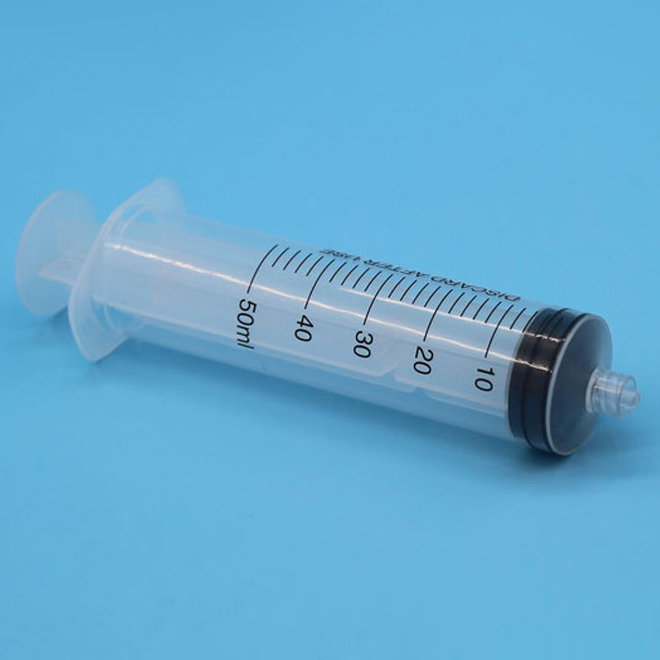
Common disposable syringe capacities include 1ml, 2ml, 3ml, 5ml, 10ml, 20ml, 30ml, and 50ml. The appropriate capacity depends on the required fluid volume, application, measurement requirements, and product specifications.