



 Sep 29, 2025
 View:1319
If you’ve ever been to a doctor’s office, a hospital, or even a pharmacy, you’ve probably seen a syringe. But have you ever wondered about the different types of syringes out there? One that often stands out is the Luer Lock syringe. This little medical marvel is more than just a needle and a tube--it’s a crucial tool in healthcare, used for everything from vaccinations to chemotherapy. So, what exactly is a Luer Lock syringe, and why is it so important? Let’s dive in.
What Is a Luer Lock Syringe?
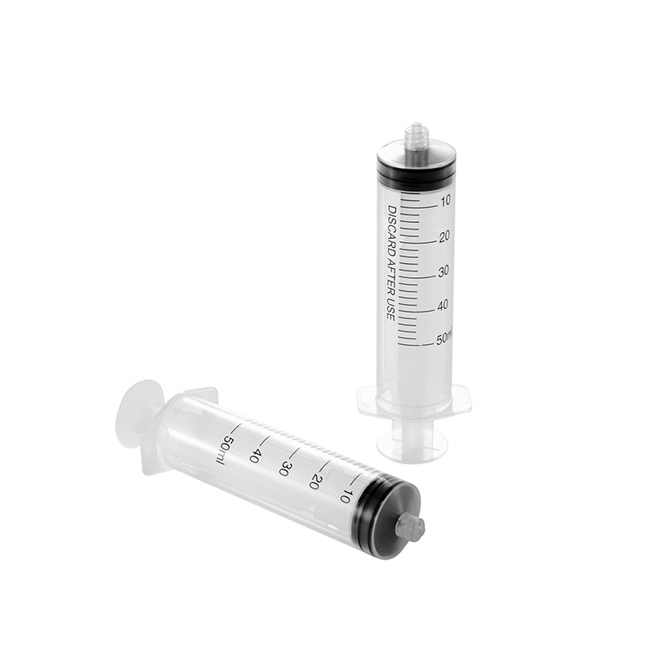
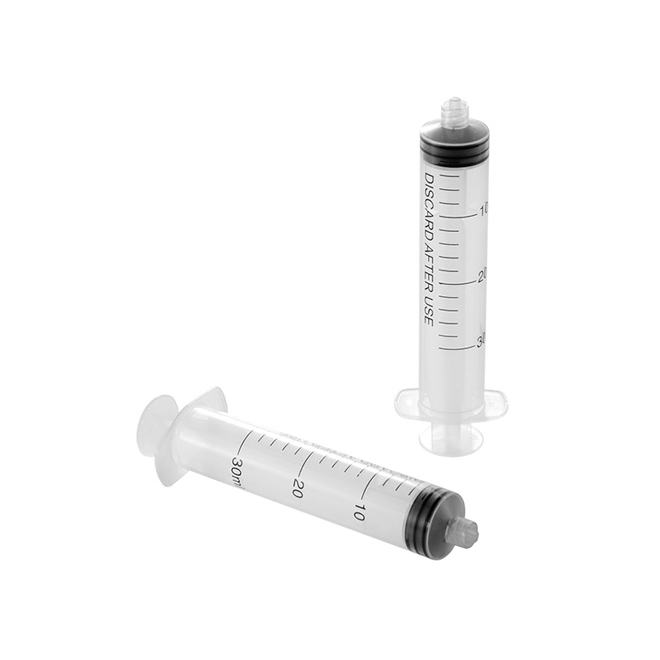
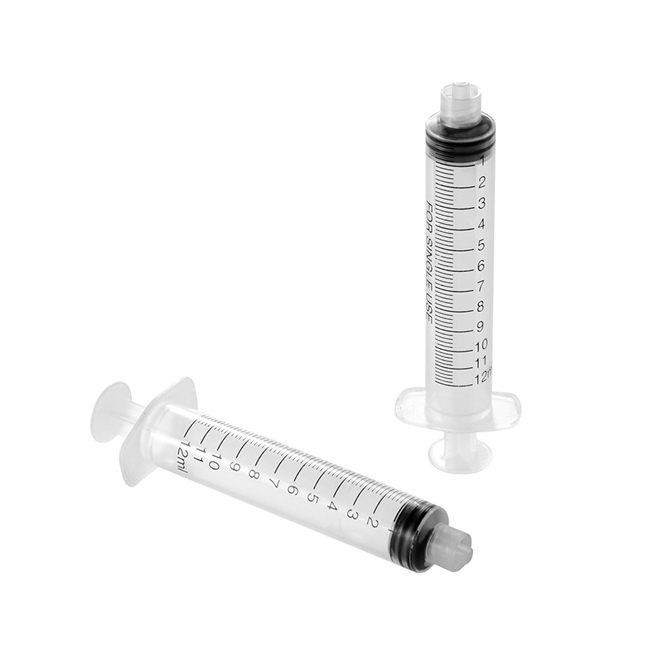
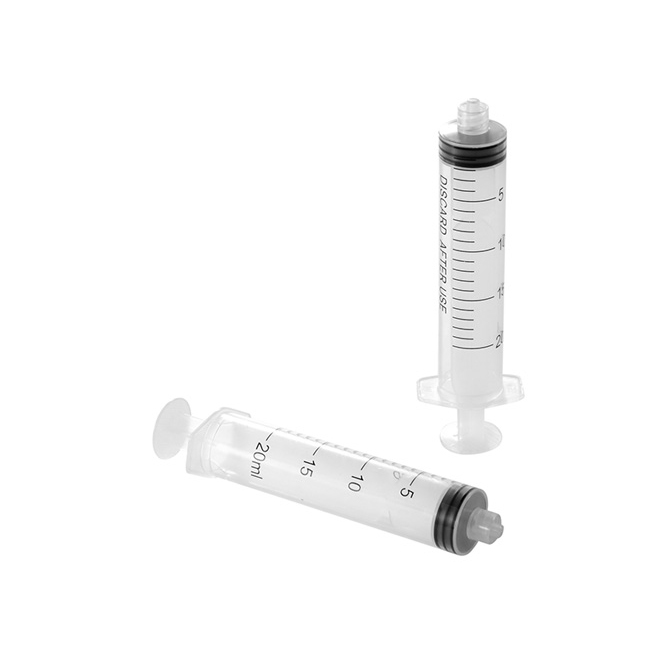
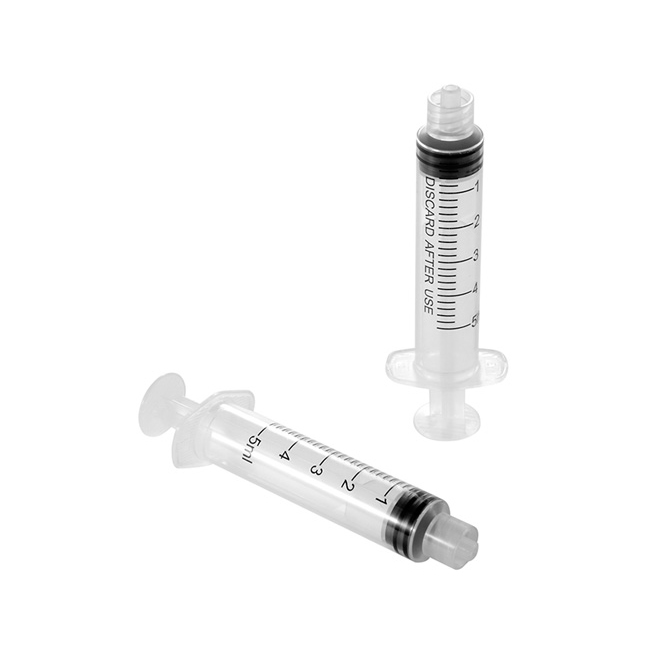
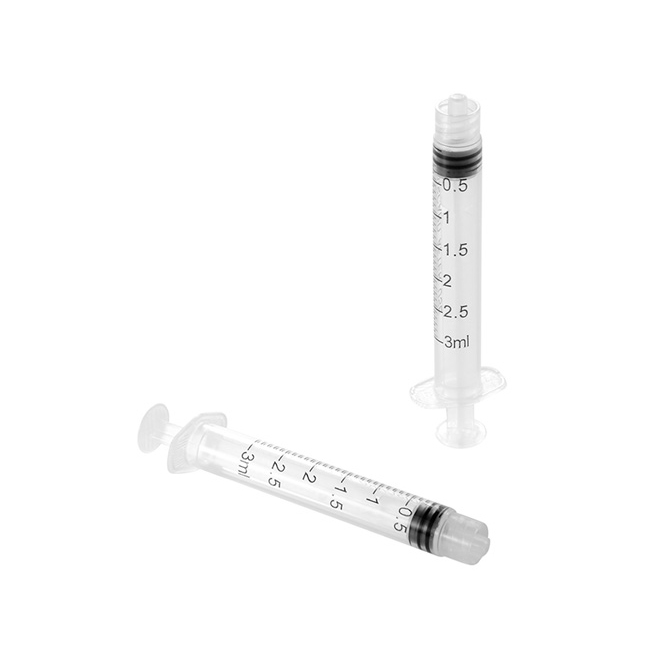
First things first: what makes a Luer Lock syringe different from other syringes? The answer lies in its design. A Luer Lock syringe features a threaded tip that securely attaches to a corresponding needle or other medical device. This “locking” mechanism ensures that the needle stays firmly in place during use, preventing leaks or accidental disconnections.
The Anatomy of a Luer Lock Syringe
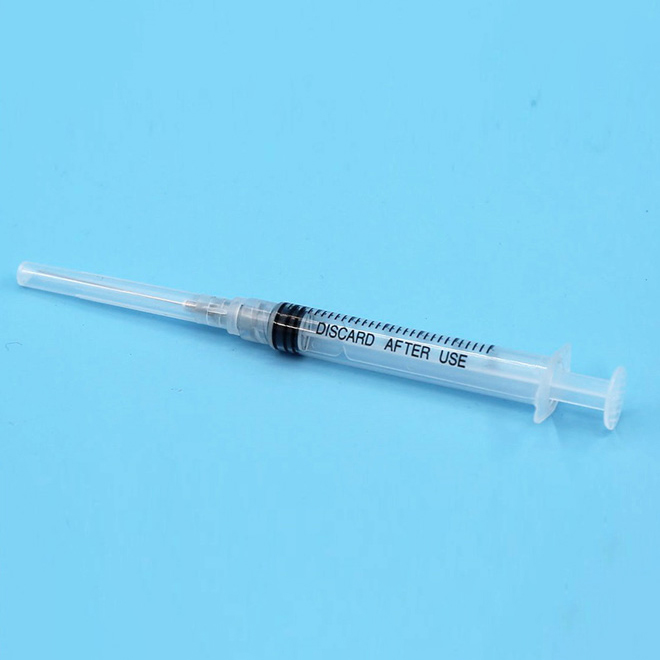
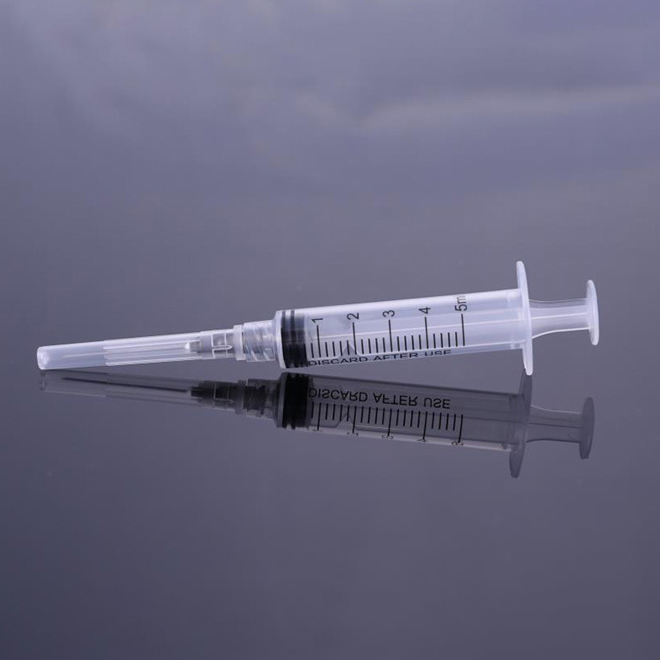
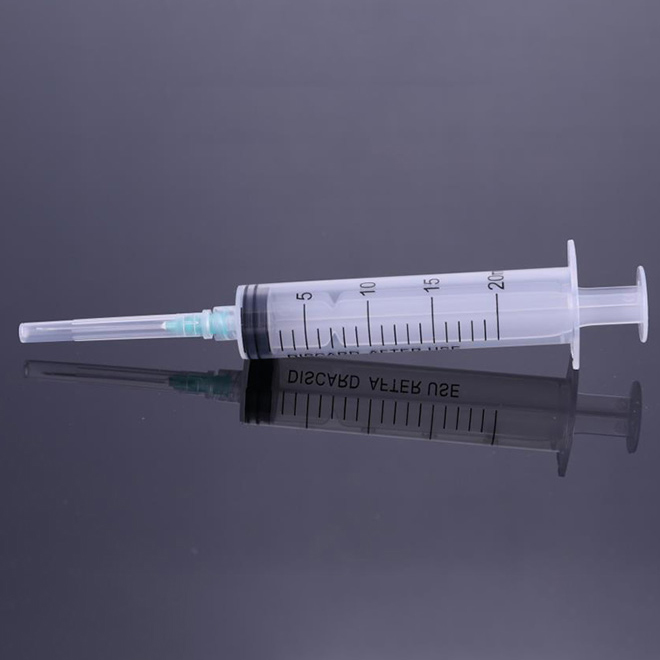
A typical Luer Lock syringe consists of three main parts:
Barrel: This is the cylindrical part that holds the liquid medication.
Plunger: The movable part that pushes or pulls the liquid in and out of the barrel.
Luer Lock Tip: The threaded end where the needle attaches.
The Luer Lock tip is what sets this syringe apart. Unlike a Luer Slip syringe (which relies on friction to hold the needle in place), the Luer Lock provides a secure, twist-on connection. This makes it ideal for situations where precision and safety are paramount.
Why Use a Luer Lock Syringe?
You might be thinking, “Why not just use a regular syringe?” Well, there are several reasons why healthcare professionals prefer Luer Lock syringes:
Security and Safety
The main advantage of a Luer Lock syringe is its secure connection. In medical settings, even a small leak or disconnection can lead to contamination, medication waste, or even injury. The threaded design ensures that the needle stays put, reducing the risk of accidents.Precision in Dosage
When administering medications, especially in small or sensitive doses, precision is key. A Luer Lock syringe allows for accurate measurement and delivery, which is crucial in fields like pediatrics, oncology, or veterinary medicine.Versatility
Luer Lock syringes can be used with a wide range of needles and medical devices. Whether you’re giving an injection, drawing blood, or flushing an IV line, the Luer Lock’s compatibility makes it a go-to choice.Reduced Waste
Because the connection is so secure, there’s less chance of medication spilling or leaking. This is not only cost-effective but also ensures that patients receive the full dose they need.
Common Uses of a Luer Lock Syringe
Now that we know why Luer Lock syringes are so popular, let’s explore some of their most common applications.
Vaccinations
From flu shots to COVID-19 vaccines, Luer Lock syringes are widely used in immunization programs. Their secure connection ensures that the vaccine is delivered safely and accurately, minimizing the risk of contamination.Intravenous (IV) Therapy
In hospitals and clinics, Luer Lock syringes are often used to administer IV medications or flush IV lines. The secure connection prevents air bubbles or medication from leaking into the bloodstream, which could cause serious complications.Chemotherapy
Oncology nurses rely on Luer Lock syringes to deliver chemotherapy drugs. These medications are often potent and require precise dosing. The Luer Lock’s accuracy and safety features make it ideal for this high-stakes environment.Veterinary Medicine
Animals come in all shapes and sizes, and so do their medical needs. Luer Lock syringes are commonly used in veterinary clinics to administer vaccines, medications, or even to draw blood samples. The secure connection is especially important when dealing with squirmy or anxious patients.Laboratory Use
In research labs, Luer Lock syringes are used for tasks like transferring liquids, mixing chemicals, or injecting samples into test tubes. Their precision and reliability make them a favorite among scientists.

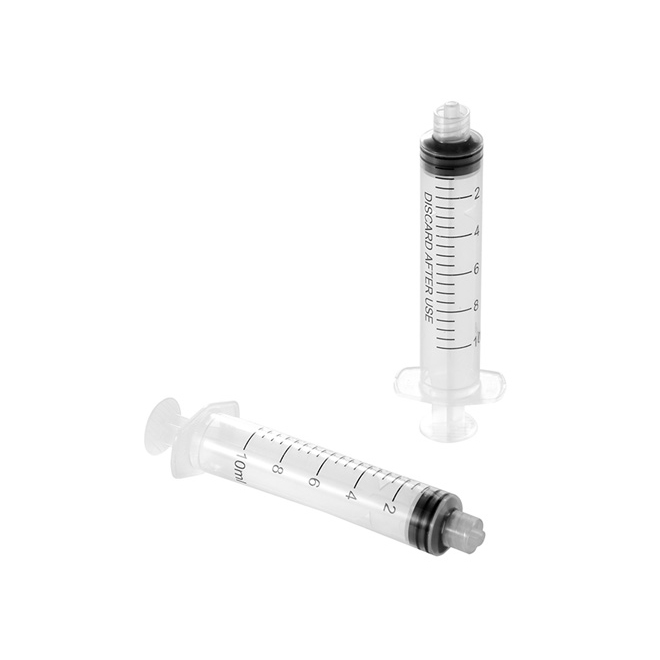
The 10mL Luer Lock Syringe: A Closer Look
One of the most common sizes of Luer Lock syringes is the 10mL syringe. But what makes this size so popular?
Ideal for Medium-Volume Injections
A 10mL Luer Lock syringe strikes a balance between being too small (for large doses) and too large (for small, precise doses). It’s perfect for medications that require a moderate volume, such as antibiotics, pain relievers, or certain vaccines.
Versatility in Needle Gauges
The 10mL Luer Lock syringe can accommodate a variety of needle gauges, from fine (25-27 gauge) for delicate injections to larger (18-20 gauge) for thicker medications. This flexibility makes it a staple in both human and veterinary medicine.
Common Applications of the 10mL Luer Lock Syringe
Administering intramuscular injections: Such as vaccines or antibiotics.
Drawing blood samples: Especially in larger animals like horses or dogs.
Flushing IV lines: Ensuring that catheters remain clean and functional.
Mixing medications: Combining different drugs or diluents before administration.
How to Use a Luer Lock Syringe
Using a Luer Lock syringe might seem intimidating at first, but it’s actually quite straightforward. Here’s a step-by-step guide:
Step 1: Assemble the Syringe
Remove the syringe and needle from their packaging.
Align the Luer Lock tip of the syringe with the needle hub.
Twist the needle clockwise until it clicks into place. This ensures a secure connection.
Step 2: Prepare the Medication
If the medication is in a vial, wipe the rubber stopper with an alcohol swab.
Insert the needle into the vial and turn it upside down.
Pull back the plunger to draw the correct dose into the syringe.
Step 3: Administer the Injection
Choose the appropriate injection site (e.g., deltoid muscle for vaccines).
Clean the area with an alcohol swab.
Hold the syringe like a dart and insert the needle at a 90-degree angle (for intramuscular injections).
Push the plunger slowly to deliver the medication.
Withdraw the needle and dispose of it safely in a sharps container.
Step 4: Dispose of the Syringe
Never reuse a syringe or needle. Place the used syringe in a designated sharps container to prevent needlestick injuries.
Luer Lock vs. Luer Slip: What’s the Difference?
You might have heard of Luer Slip syringes and wondered how they differ from Luer Lock syringes. Here’s a quick comparison:
| Feature | Luer Lock Syringe | Luer Slip Syringe |
|---|---|---|
| Connection | Threaded twist-on | Friction fit |
| Security | High | Moderate |
| Best For | High-pressure or viscous medications | Quick, low-pressure injections |
| Risk of Disconnection | Low | Higher |
While Luer Slip syringes are faster to assemble, they’re not as secure as Luer Lock syringes. This makes Luer Lock the preferred choice for situations where safety and precision are critical.
Choosing the Right Luer Lock Syringe
Not all Luer Lock syringes are created equal. Here are some factors to consider when choosing one:
Volume
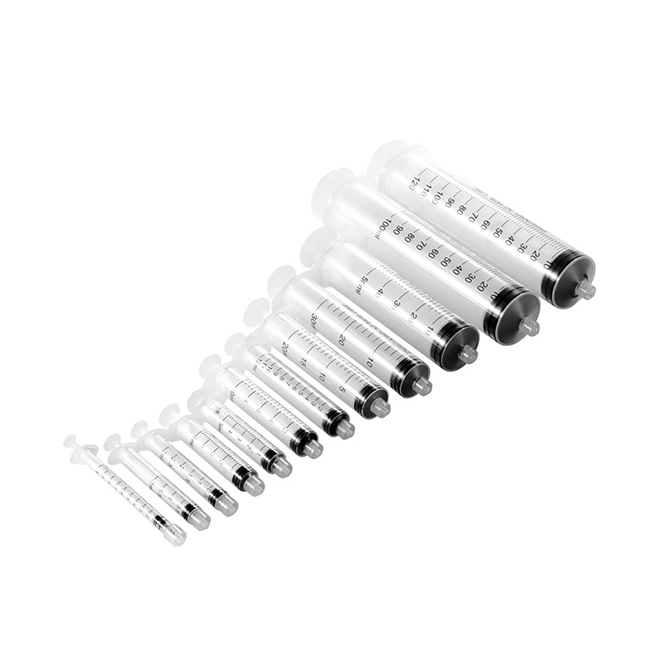
Syringes come in various sizes, from 1mL to 60mL or more. Choose a size that matches the volume of medication you need to administer. For most routine injections, a 10mL syringe is a good all-around choice.Needle Gauge
The gauge of the needle determines how easily it can penetrate the skin and how quickly the medication is delivered. Finer gauges (higher numbers) are less painful but slower, while larger gauges (lower numbers) are faster but may cause more discomfort.Sterility
Always use a sterile syringe to prevent infections. Most Luer Lock syringes come individually wrapped in sterile packaging.Material
Syringes are typically made of plastic or glass. Plastic syringes are more common and disposable, while glass syringes are reusable but require sterilization.
Common Mistakes to Avoid
Even experienced healthcare professionals can make mistakes when using Luer Lock syringes. Here are some pitfalls to watch out for:
Over-Tightening the Needle
While you want a secure connection, over-tightening the needle can damage the threads or make it difficult to remove later.Reusing Syringes
Never reuse a syringe or needle. This can lead to contamination and infections.Ignoring Expiration Dates
Syringes and needles have expiration dates. Using expired products can compromise their effectiveness or safety.Not Checking for Air Bubbles
Before injecting, always tap the syringe to dislodge any air bubbles. Injecting air into the bloodstream can be dangerous.
The Future of Luer Lock Syringes
As medical technology advances, so do Luer Lock syringes. Manufacturers are constantly improving their designs to enhance safety, ease of use, and compatibility with other medical devices. Some innovations include:
Safety Syringes: These feature built-in mechanisms to prevent needlestick injuries.
Pre-Filled Syringes: Ready-to-use syringes that reduce preparation time and waste.
Smart Syringes: Equipped with sensors or digital displays for precise dosing.
Final Thoughts: Why the Luer Lock Syringe Matters
In a world where precision and safety are non-negotiable, the Luer Lock syringe stands out as a reliable and versatile tool. Whether you’re a healthcare professional or someone who needs to administer medication at home, understanding the benefits and uses of a Luer Lock syringe can make all the difference.
So, the next time you see a syringe with a twist-on needle, you’ll know it’s not just any syringe--it’s a Luer Lock, designed to keep you safe and ensure that every drop of medication goes exactly where it’s supposed to.