



 Sep 25, 2025
 View:1098
When it comes to syringes, the differences might seem subtle at first glance, but they can have a significant impact on medical procedures. One of the most commonly asked questions is: What is the difference between a Luer Lock syringe and a normal syringe? While both are used for injecting medications, fluids, or drawing blood, they serve different functions and are designed with distinct features. In this article, we'll break down these differences, explaining what makes each syringe unique and where they are used in the medical field.

What is a Luer Lock Syringe?
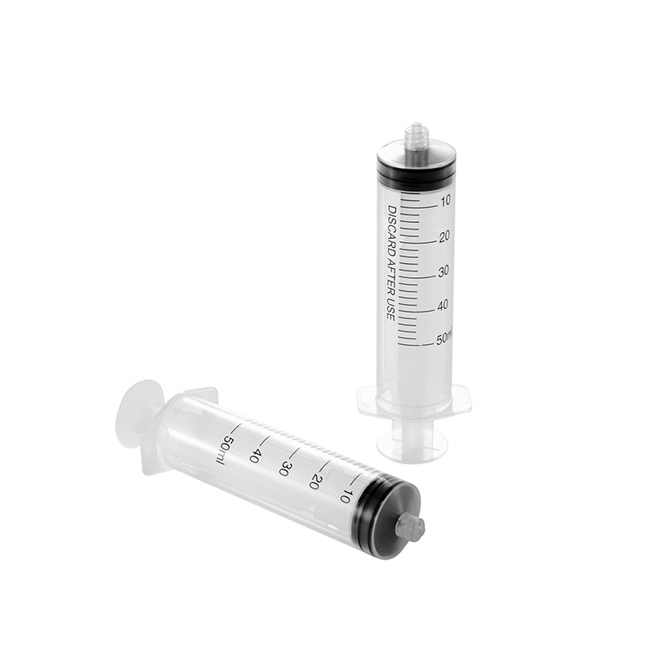
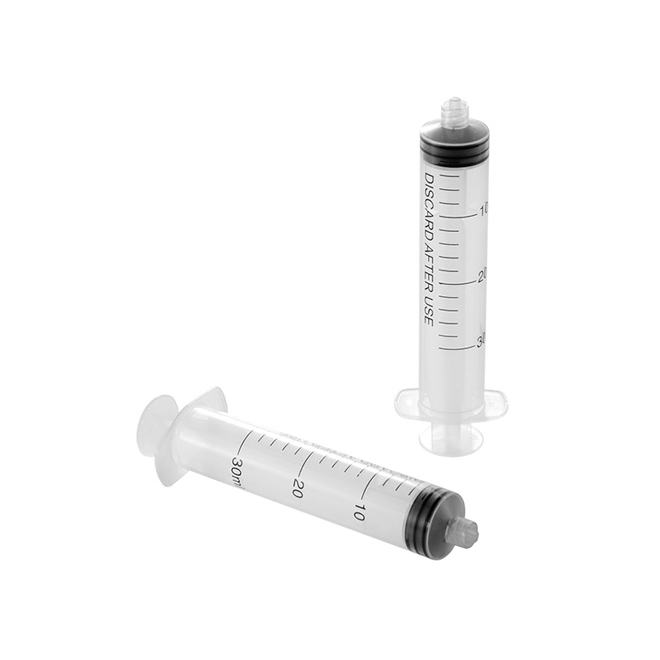
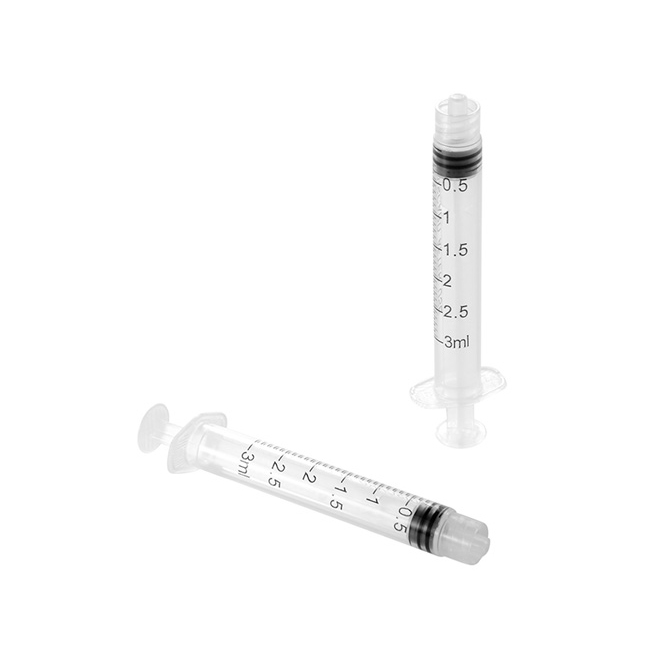
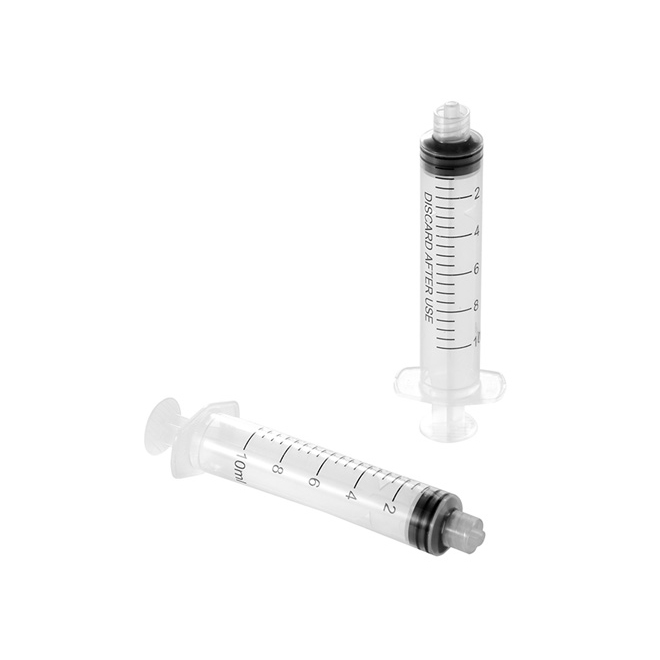
A Luer Lock syringe is a type of syringe that comes with a locking mechanism on the tip where the needle attaches. This locking feature ensures that the needle stays securely in place during use, preventing it from loosening or accidentally detaching.
Key Features of a Luer Lock Syringe:
Locking mechanism: The needle screws into the syringe, ensuring a tight and secure fit.
Enhanced safety: The locking design minimizes the risk of needle detachment, which can reduce the chances of medication leakage and improve overall safety.
Common in high-risk situations: Luer Lock syringes are often preferred in hospital settings, especially during procedures where precise medication administration is critical.
What is a Normal Syringe?
A normal syringe (also known as a Luer Slip syringe) is a simpler syringe design where the needle is simply slipped onto the tip of the syringe without the locking mechanism. The needle is held in place by friction or the attachment of the needle itself, making it easy to remove or replace.
Key Features of a Normal Syringe:
No locking mechanism: The needle is simply inserted into the syringe and stays in place by friction.
Ease of use: These syringes are quicker to assemble because there’s no need to twist or screw the needle into place.
Versatile: Normal syringes are used in a wide variety of situations where the risk of the needle detaching is low.
Luer Lock Syringe vs. Normal Syringe: Key Differences
1. Attachment Method:
Luer Lock Syringe: The needle is attached by screwing it into place, ensuring a secure, tight fit.
Normal Syringe: The needle is attached by simply slipping it onto the tip of the syringe, with no locking mechanism.
2. Safety:
Luer Lock Syringe: The locking mechanism offers a high level of safety by preventing the needle from accidentally detaching.
Normal Syringe: While still secure, the lack of a locking mechanism can lead to accidental detachment in high-pressure situations.
3. Ease of Use:
Luer Lock Syringe: Requires the user to twist the needle onto the syringe, which can take a few extra seconds.
Normal Syringe: Easier and quicker to assemble, as the needle simply slips onto the tip.
4. Application:
Luer Lock Syringe: Commonly used for intravenous injections, high-risk procedures, and in settings where there is a need for tight security and accuracy.
Normal Syringe: Ideal for general injections, vaccinations, or other non-critical applications.
5. Needle Variety:
Luer Lock Syringe: Compatible with a wide variety of needle types, particularly those with a locking mechanism.
Normal Syringe: Works with standard needles but lacks the security provided by a locking system.
When to Use a Luer Lock Syringe?
Luer Lock syringes are preferred in medical situations where the risk of needle detachment is high, or when an extremely secure attachment is necessary. They are commonly used for:
Intravenous injections: The syringe and needle need to stay securely attached during the injection.
High-pressure medication delivery: In some procedures, the medication must be delivered under high pressure, so a loose-fitting needle is unacceptable.
Blood draws: Ensures that the needle stays firmly in place during the blood collection process.
When to Use a Normal Syringe?
Normal syringes are more suitable for low-risk procedures, where the probability of the needle detaching is minimal. They are frequently used for:
Vaccinations: The injection doesn't require a high degree of precision or safety, so a normal syringe is often sufficient.
Subcutaneous injections: For delivering medications that don’t need to be injected under high pressure or in highly sensitive situations.
Daily use by patients: Some patients may use normal syringes for home injections like insulin, where the needle detachment risk is low.
Advantages of a Luer Lock Syringe:
Enhanced security: The locking mechanism ensures that the needle remains firmly attached during the entire procedure.
Ideal for high-risk procedures: It is commonly used in hospitals, clinics, and other medical settings where the possibility of needle dislodgement could lead to complications.
Less risk of leakage: The tight-fitting connection reduces the chance of fluids leaking during injections.
Disadvantages of a Luer Lock Syringe:
Slower to assemble: Because of the need to screw the needle on, it can take a bit longer to prepare the syringe for use.
More expensive: The additional locking mechanism often makes Luer Lock syringes more expensive than normal syringes.
More complex to use: The added twist lock can sometimes make the syringe slightly more complicated to handle for individuals not familiar with the design.
Advantages of a Normal Syringe:
Faster assembly: The needle simply slips into place, making it quicker to prepare.
Cheaper: Normal syringes are typically more affordable due to their simpler design.
Widely used: They are often sufficient for routine medical applications like flu shots, allergy shots, or insulin injections.
Disadvantages of a Normal Syringe:
Less secure: The lack of a locking mechanism can lead to the needle detaching if too much pressure is applied.
Higher risk of leakage: If the syringe or needle is not inserted properly, it could cause leaks during injections.
How to Choose Between a Luer Lock Syringe and a Normal Syringe
When choosing between a Luer Lock syringe and a normal syringe, consider the following:
Type of Procedure: If you’re performing a high-risk injection, such as an intravenous procedure, a Luer Lock syringe is the safer choice.
Frequency of Use: For general, everyday injections (like vaccines or insulin), a normal syringe might be more practical.
Need for Speed: If you're in a rush and need to quickly administer medication, a normal syringe’s simple attachment may be preferable.
Safety Requirements: When patient safety and precise delivery are paramount, a Luer Lock syringe offers extra security.
Conclusion
So, what's the real difference between a Luer Lock syringe and a normal syringe? It boils down to safety, ease of use, and the level of security required for the procedure at hand. The Luer Lock syringe offers a locking mechanism that prevents the needle from coming loose during an injection, which is crucial in high-risk medical settings. On the other hand, the normal syringe is quick, easy to use, and generally sufficient for less critical injections. Ultimately, understanding the features and benefits of each syringe will help you choose the right one for your needs. Whether you’re a healthcare professional or a patient, knowing these differences can ensure that you’re always using the most appropriate syringe for your situation.