




Everything You Must Know About Insulin Syringe with Needle
 Apr 03, 2026|
 View:776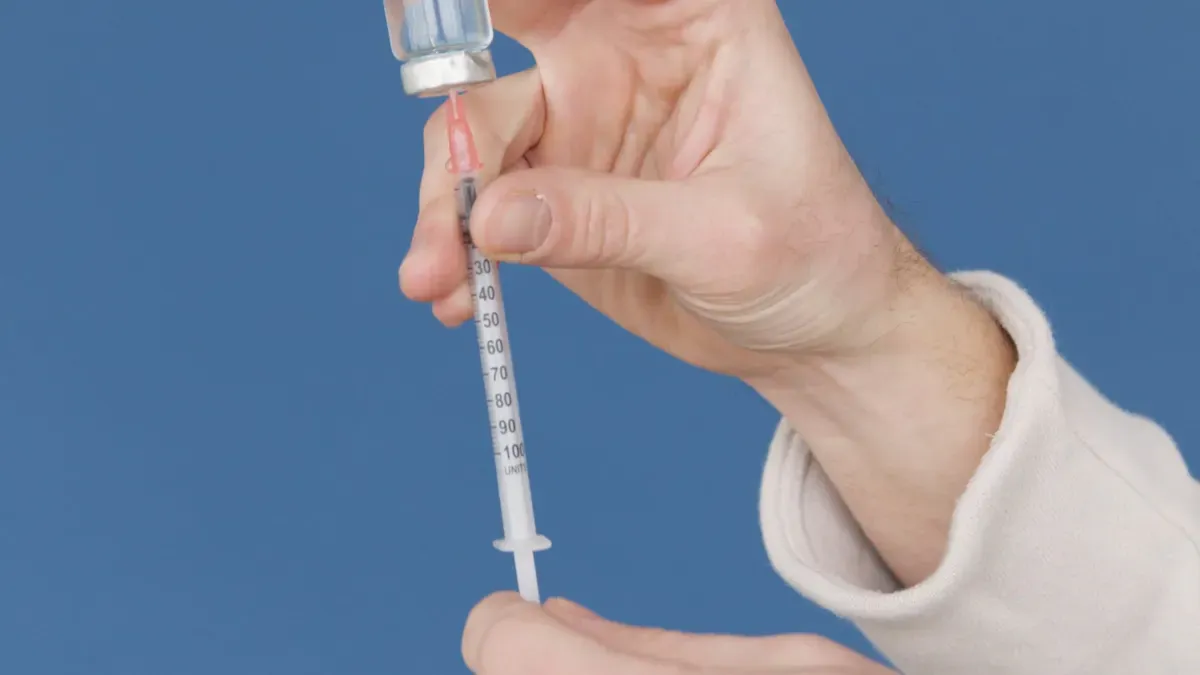
You use an insulin syringe with needle to give insulin safely. This tool helps you handle diabetes by letting you set your dose. Picking the right Sterile Disposable Insulin Syringe gives comfort and lowers risk. Safety is important because studies show storage problems and mix-ups with Disposable insulin syringe 1ml can cause mistakes.
Holinx is special because it makes high-quality insulin syringes for your needs.
Key Takeaways
Always use a new insulin syringe for each shot. This helps stop infections and makes sure you get the right dose.
Pick the correct syringe size and needle gauge for your insulin. This makes the shot more comfortable and works better.
Get your injection spot ready the right way. This helps you avoid problems and makes the insulin work well.
Keep your insulin and syringes stored the right way. This keeps them safe and working well.
Check your injection spots for redness or swelling. Tell your doctor if you see any problems.
What Are Insulin Syringes
Definition and Purpose
Insulin syringes are used to put insulin into your body. These tools are made for people who need to control their blood sugar. Scientists and doctors have made these syringes better over time. Long ago, they were made from glass and metal. People had to clean them before using them again. Now, most people use disposable syringes. These are safer and much easier to use.
Insulin syringes have some important parts:
You use each syringe only one time. This helps stop infections.
The needle is thin and short. This makes shots hurt less.
The barrel has clear lines. You can see how much insulin you are using.
There are different sizes like 0.3 ml, 0.5 ml, and 1 ml. You pick the size that fits your dose and feels best for you.
Tip: Look at the lines on your syringe before you use it. This helps you get the right amount of insulin.
The main job of insulin syringes is to help you control your blood sugar. You use them to put insulin under your skin. This is very important for people with diabetes.
Here is a table that shows some important things about insulin syringes:
Feature | Description |
|---|---|
Sterile protection | Keeps the syringe clean and helps stop infections. |
High-precision dose control | Lets you measure and give the exact insulin you need. |
Comfortable and easy to use | Has a soft, thin needle and simple design for easy shots. |
Who Uses Insulin Syringes
You may need insulin syringes if you have diabetes and your doctor says you need insulin. Many people use these syringes every day to keep their blood sugar healthy. Kids, teens, and adults can all use insulin syringes. Some people use them for a short time. Others use them for many years.
You might also use insulin syringes if you help someone who cannot give themselves a shot. Nurses and caregivers use these syringes to help patients. The way insulin syringes are made helps anyone give a safe and correct shot.
Insulin syringes are very important for people who need insulin. They help you stay healthy and active by making sure you get the right amount of insulin when you need it.
Insulin Syringe Components
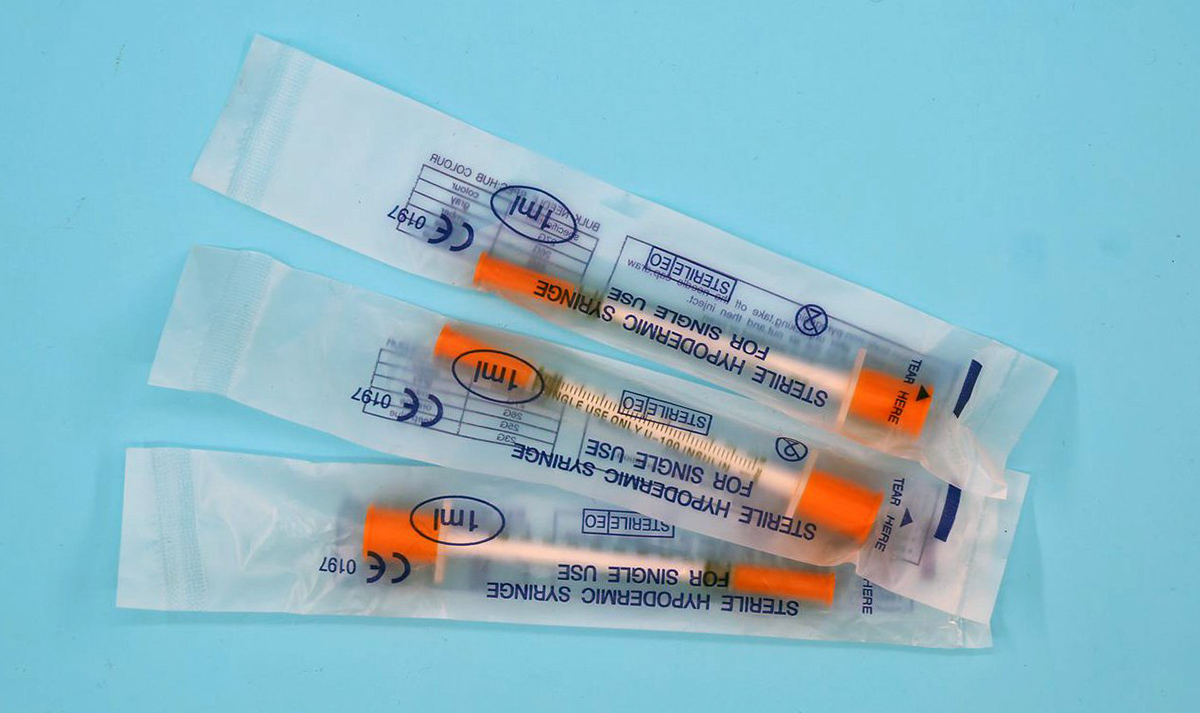
When you use an insulin syringe, you rely on each part to help you get a safe and accurate injection. Holinx designs every syringe with your comfort and safety in mind. Each component works together to make sure you get the right dose of insulin every time.
Barrel
The barrel is the clear, tube-shaped part of the syringe. You fill it with insulin before your injection. The clear plastic lets you see the insulin inside and check for air bubbles. Holinx uses transparent barrels so you can measure your dose easily. The barrel also has strong material to keep the insulin safe and clean.
Plunger
You use the plunger to draw insulin into the syringe and push it out during your injection. The plunger fits tightly inside the barrel. This tight fit helps you control the flow of insulin and prevents leaks. The plunger tip gives you a smooth, steady push, so you can give the right amount of insulin each time.
Needle and Cap
The needle is the thin, sharp part that goes under your skin to deliver insulin. Holinx uses fine, stainless steel needles that are short and coated for comfort. The needle size helps reduce pain and makes the injection gentle. The cap covers the needle before use, keeping it clean and safe. You remove the cap right before your injection.
Tip: Always check that the needle is straight and the cap is on before you use a new syringe.
Measurement Markings
You see clear lines and numbers on the barrel. These measurement markings show you exactly how much insulin you draw into the syringe. Accurate markings help you avoid mistakes and make sure you get the right dose. This is very important for keeping your blood sugar in a healthy range.
Here is a table that shows how each part of the insulin syringe helps you:
Component | What It Does | Why It Matters |
|---|---|---|
Barrel | Holds the insulin and shows clear markings | Lets you measure and check your dose |
Plunger | Draws and pushes insulin in and out | Gives you control and prevents leaks |
Needle and Cap | Delivers insulin under your skin; keeps needle clean | Makes injection gentle and safe |
Measurement Marks | Shows exact amount of insulin | Helps you avoid dosing mistakes |
Insulin Syringe Types and Sizes
Common Sizes and Capacities
You can find many types of insulin syringe in the market. Each one holds a different amount of insulin. The right size helps you measure your dose easily and safely. Here is a table that shows the most common sizes and how much insulin each syringe can hold:
Capacity (ml) | Units | Description |
|---|---|---|
0.25 | 25 | Rare, for very young children or precise doses |
0.3 | 30 | Low-dose insulin, with 1-unit or half-unit markings |
0.5 | 50 | Commonly prescribed, ideal for most adults |
1 | 100 | Standard size for U-100 insulin |
3 | 300 | Less common, used in specific situations |
5-30 | 500-3000 | Used beyond typical subcutaneous injections |
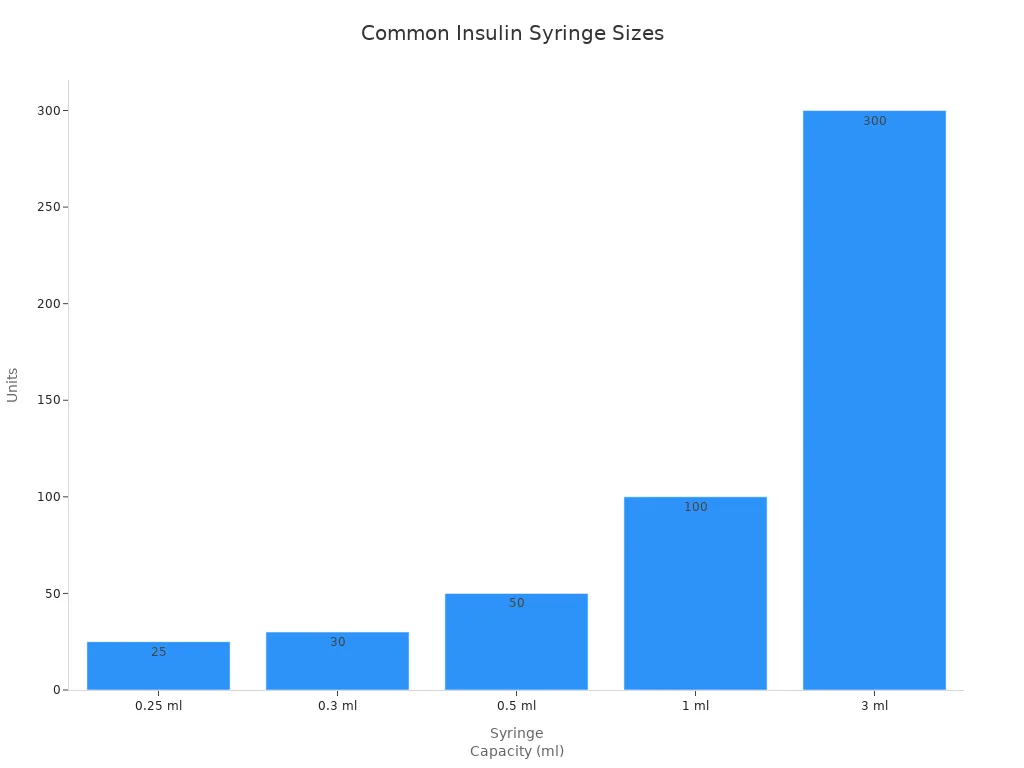
Most people use 0.3 ml, 0.5 ml, or 1 ml syringes for daily insulin needs. You should pick the size that matches your dose.
Needle Lengths and Gauges
The needle on your syringe matters for comfort and safety. A thinner needle, with a higher gauge number, causes less pain. Most insulin syringes use gauges from 31 to 28. These fine needles work well for subcutaneous injections, which means the insulin goes just under your skin. Shorter needles are good for children or people with less body fat. The right length helps you get the insulin where it needs to go without hurting.
Tip: If you feel pain or see bruising, you may need a different needle length or gauge.
Choosing the Right Insulin Syringe
You should think about a few things when picking your insulin syringe. Look at the barrel capacity, needle gauge, and needle length. Comfort is important, too. If you use 30 units or less, a 0.3 ml syringe with a 31-gauge needle works well. For 30 to 50 units, try a 0.5 ml syringe with a 31-gauge needle. If you need 50 to 100 units, a 1 ml syringe with a 31-gauge needle is a good choice. Holinx offers a wide range of syringes with clear markings and gentle needles. These features make your daily injections easier and safer.
Note: Always talk to your doctor before changing your syringe or needle type.
Using Insulin Syringes
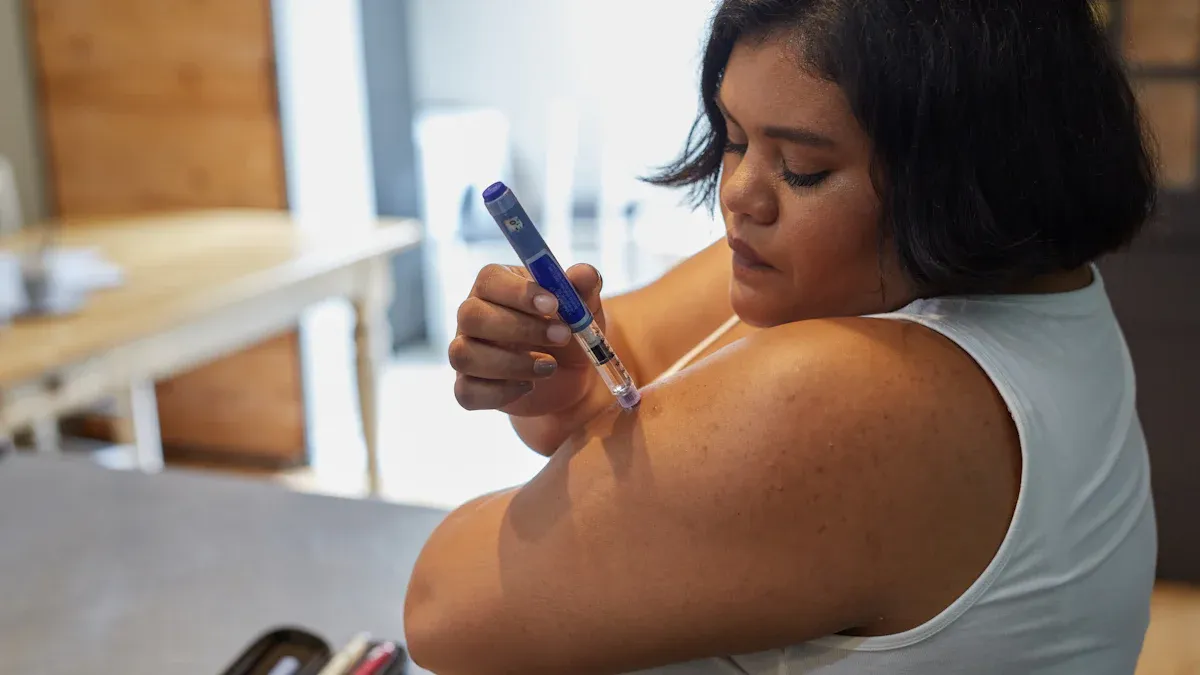
Preparing for Insulin Injection
Get all your supplies before you start. You need insulin, a syringe, an alcohol wipe, and maybe a log book. Pick where you will give the shot. Keep a chart of places you use. This helps you not use the same spot too much. Using the same spot can hurt your skin. Make sure the spot is clean and dry. Wash with soap and water if it looks dirty. Getting ready the right way helps stop infection. It also helps your body use the insulin well.
Wipe the top of the insulin bottle with an alcohol wipe. If your insulin is cloudy, turn the bottle upside down and back up 20 times. This mixes the insulin. Know how much insulin you need before you start. These steps help you get the right amount of insulin. They also keep you safe when you take shots every day.
Drawing Insulin into the Syringe
First, get your insulin, syringe, alcohol wipe, and log book. Clean the top of the insulin bottle with an alcohol wipe. Pull air into the syringe. The air should match your insulin dose. Put the needle into the bottle. Push the air in. Turn the bottle upside down. Pull insulin into the syringe slowly. Fill it to the right line. If you see air bubbles, tap the syringe gently. Push a little insulin back into the bottle if you need to.
If you use cloudy insulin, draw it first. Then draw the clear insulin. Do not push insulin back into the bottle. This keeps your dose right and stops germs. When you are done, take the syringe out of the bottle. Check your dose again before you give the shot.
Injection Sites and Techniques
You can give insulin in your belly, upper arms, thighs, or buttocks. Each spot works a little differently. The belly works fastest and is easy to reach. Many people like this spot. The arms and thighs work slower but are still good. They may be harder to use by yourself. The buttocks work slowest and you may need help.
Pinch about one inch of skin at the spot you pick. Most people use a 90-degree angle for the needle. Thin people or kids may need a 45-degree angle. Always do what your doctor tells you. Change spots often to keep your skin healthy.
Step-by-Step Insulin Injection
Wash your hands with soap and water for 20 seconds.
Pick your spot and pinch the skin. Check the angle you need.
Put the needle straight in at a 90-degree angle. Use a 45-degree angle for thin people or small kids.
Push the plunger slowly until all the insulin is gone. Keep the needle in for 5 seconds after you finish.
Take the needle out at the same angle. Do not rub the spot after you take out the needle.
Throw the syringe away in a sharps container. Do not put the cap back on the needle.
Write down the shot in your log book if you need to. Note the spot and how much insulin you used.
Aftercare and Monitoring
Look at the spot after your shot. Watch for redness, swelling, or pain. Check your blood sugar often to see how the insulin works. Change where you give shots to keep your skin healthy. Make sure the spot is clean and dry.
If you have pain, swelling, or signs of infection, call your doctor. Go over your shot steps with your doctor or nurse sometimes. This helps you do your shots the right way. Using insulin syringes safely helps you stay healthy and manage diabetes better.
Insulin Injection Safety
Storage and Handling
You must store insulin and syringes the right way. This keeps them safe and working well. Keep insulin at room temperature for up to one month. Put extra bottles in the fridge. Do not keep insulin near heat or sunlight. Never leave it in a car. Always check the date before each shot. Look at the insulin for any changes. If it looks strange, do not use it.
Here are some tips for handling syringes:
Keep sterile needles in their package until you use them.
Use your oldest syringes first so none go to waste.
Wear gloves when you touch sterile needles to keep them clean.
Never share your syringes with anyone else.
If you reuse a syringe, keep the cap on the needle. Only let it touch clean skin. Ask your doctor before you reuse any syringe.
Safe Disposal of Syringes
After every shot, throw away your syringe safely. Put used needles and syringes in a sharps container right away. If you do not have one, use a strong plastic container. When the container is almost full, follow your town’s rules for throwing it away. Never put loose needles or syringes in the trash or recycling. You can also use a drug take-back program for empty pens, vials, or cartridges.
Avoiding Common Mistakes
You can stop problems by doing these things:
Check your dose two times before every shot.
Use insulin that is at room temperature. This makes shots hurt less.
Change where you give your shot each time. This helps stop lumps under your skin.
Watch for low blood sugar and keep glucose close by.
Eat your meals on time after your shot.
Ask your doctor before reusing syringes, especially if you feel sick.
Do not use alcohol on syringes. It can hurt the needle coating.
Tip: Always pinch your skin and use the right angle for your shot.
If you follow these safety steps, you keep yourself safe. You also make each shot easier and more comfortable.
Troubleshooting Insulin Syringe Issues
Missed Doses
Missing an insulin dose can happen to anyone. If you realize you missed your basal insulin within three to four hours of your usual time, you should take it late. When more time has passed, take half your normal dose and return to your regular schedule. Always check your blood sugar closely if you miss both basal and bolus doses. If you miss a long-acting insulin dose, call your endocrinologist to find out how much to take. Test for ketones if your blood sugar is over 250 mg/dL and it has been more than half an hour since your last meal. Drink plenty of water to help manage high blood sugar. Test your blood sugar every two hours after a missed dose. If you see high blood sugar and ketones do not go away, seek emergency care.
Do not blame yourself for missing a dose. Avoid taking double insulin without talking to your doctor. Never ignore a missed dose or let your blood sugar stay high.
Pain or Discomfort
You may feel pain or discomfort during an injection. Using thinner needles can help reduce pain. Try warming the injection site with your hand before you start. Relax your muscles to make the injection easier. Some people use the Z-Tracking Technique, which means pulling the skin before inserting the needle. You can also numb the area with ice or a numbing cream. Practice injections on a stuffed animal to build confidence. Take deep breaths and relax before each injection. Think about what has worked for you in the past and use those strategies again.
Use proper injection technique to avoid pain.
Identify what makes injections hard for you.
Try different tips until you find what helps most.
Damaged or Blocked Needles
Sometimes, you may find a needle that is bent, blocked, or damaged. Never use a damaged needle for your injection. Always check the needle before you start. If you notice resistance when drawing insulin, the needle may be blocked. Replace it with a new syringe right away. Using a damaged needle can cause pain or make the injection less effective. Store your syringes in a safe place to keep them clean and straight. If you have trouble with blocked needles often, talk to your healthcare provider for advice.
Tip: Always use a new, undamaged syringe for every injection to keep your routine safe and comfortable.
You help control diabetes by picking and using insulin syringes the right way. Always look at your dose before you give a shot. Use a new needle every time you take insulin. Keep your supplies in a safe place so they stay clean. Nurses and doctors can show you how to use syringes and answer your questions.
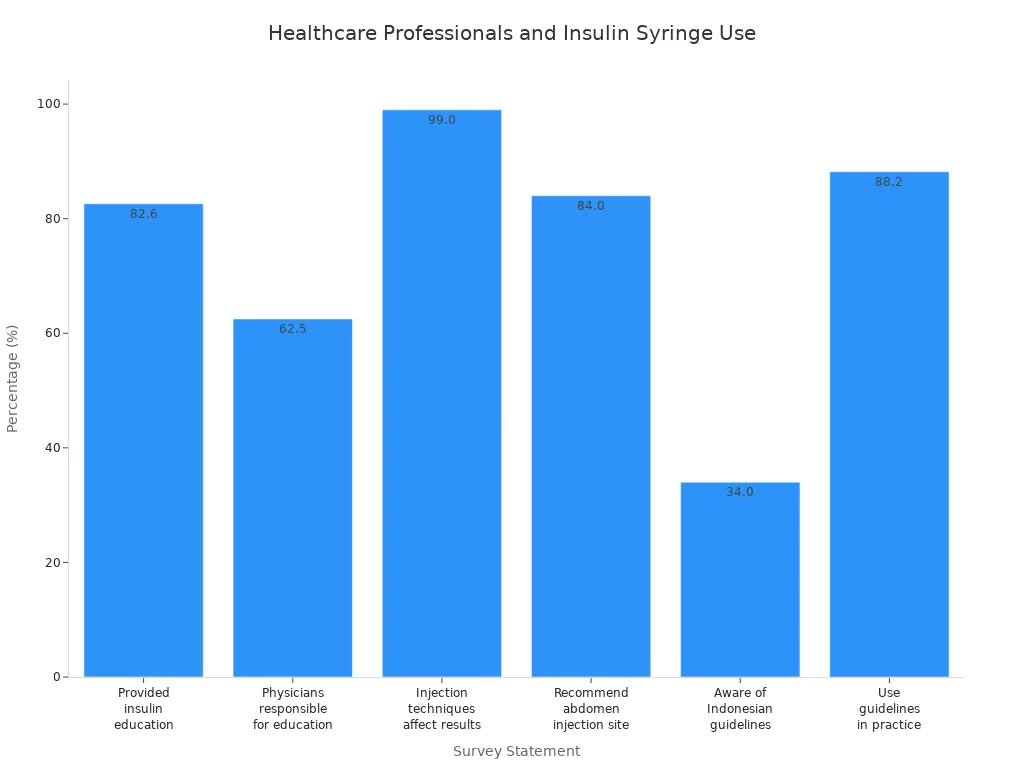
Holinx syringes are made with strong materials and easy-to-read lines. They are designed to keep you safe and comfortable. If you want more help, talk to your doctor or read simple guides about insulin and how to give shots safely.
FAQ
How many times can you use an insulin syringe?
You should use each insulin syringe only once. Reusing syringes can cause infections or make injections hurt more. Always use a new, sterile syringe for every shot.
What should you do if you see air bubbles in the syringe?
Tip: Tap the syringe gently with your finger to move air bubbles to the top. Push the plunger slightly to remove them before injecting. This helps you get the right dose and keeps your injection safe.
Where should you store unused insulin syringes?
Store unused syringes in a cool, dry place. Keep them in their original packaging until you need them. Do not leave them in direct sunlight or near heat.
Can you travel with insulin syringes?
Yes, you can travel with insulin syringes. Pack them in your carry-on bag. Bring a doctor’s note if you fly. Keep syringes in their packaging to show they are new and sterile.
What should you do if your injection site becomes red or swollen?
Stop using that spot for injections.
Clean the area gently.
Watch for signs of infection.
Call your doctor if redness or swelling does not go away.
Recommended Products
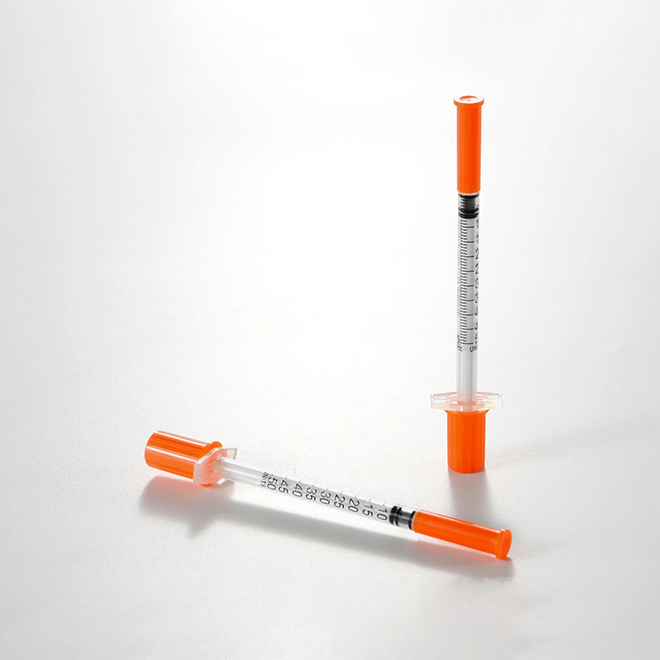
0.5ml 1ml 2ml Injection Disposable Safety Sterile Injection Medical Insulin Syringe
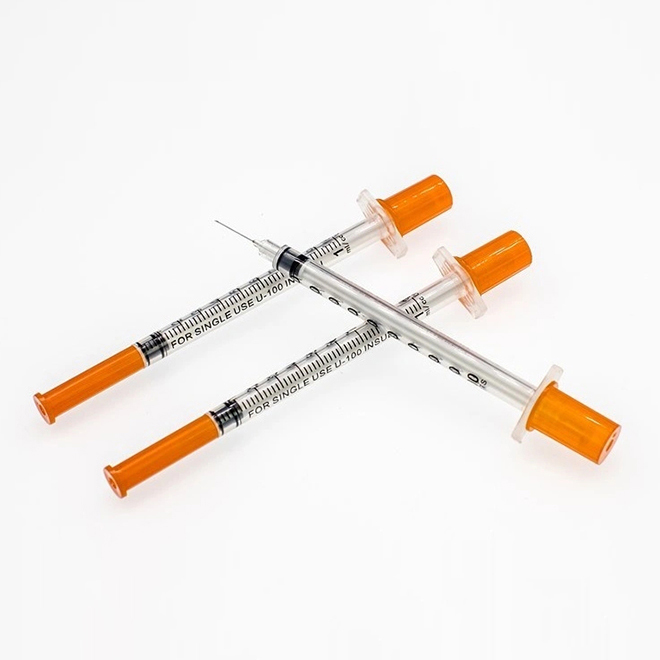
Medical Disposable Insulin Injection Syringe with Needle for Diabetic
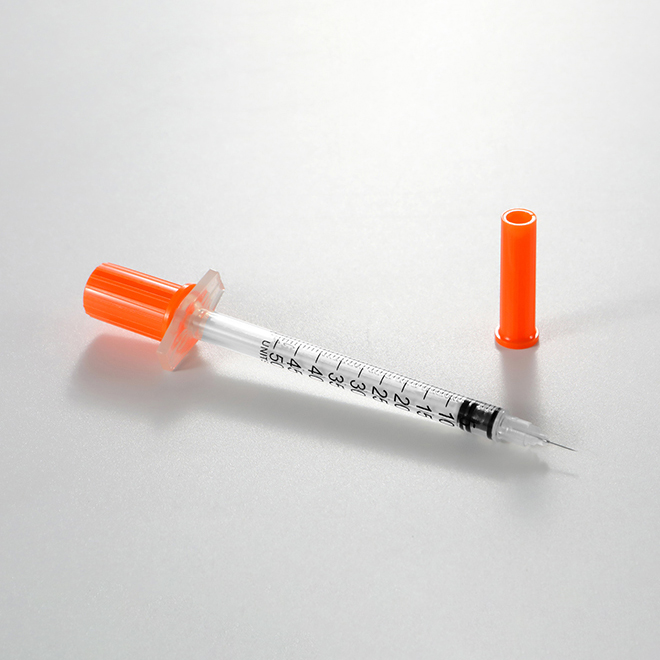
Disposable Insulin Medical Injection Plastic Syringe with Hypodermic Needle
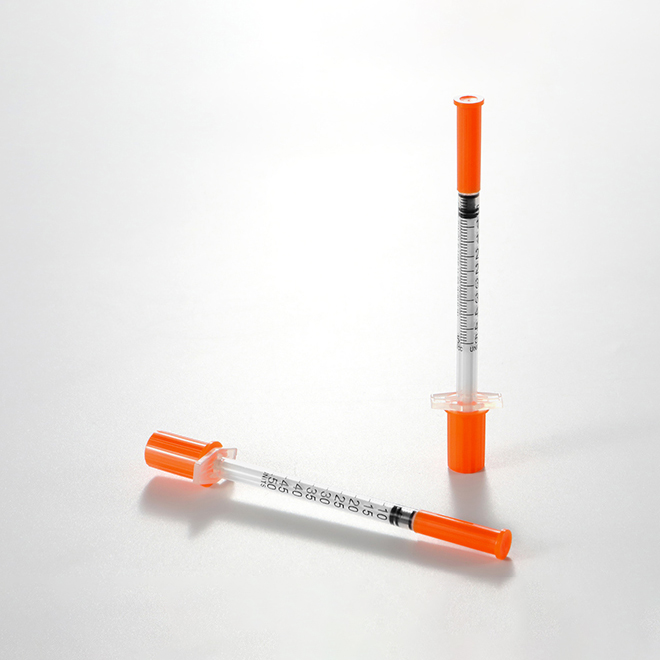
Disposable Medical Sterile Colored Insulin Syringe with Orange Cap
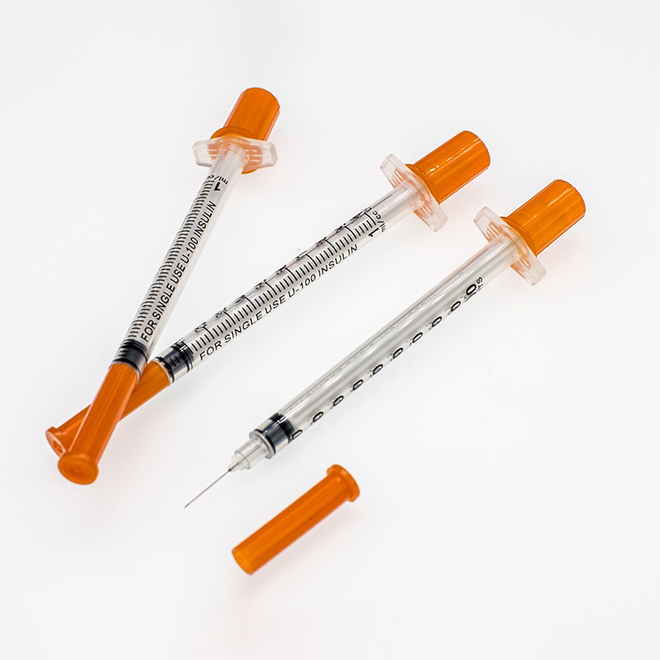
Sterile Disposable Insulin Syringe
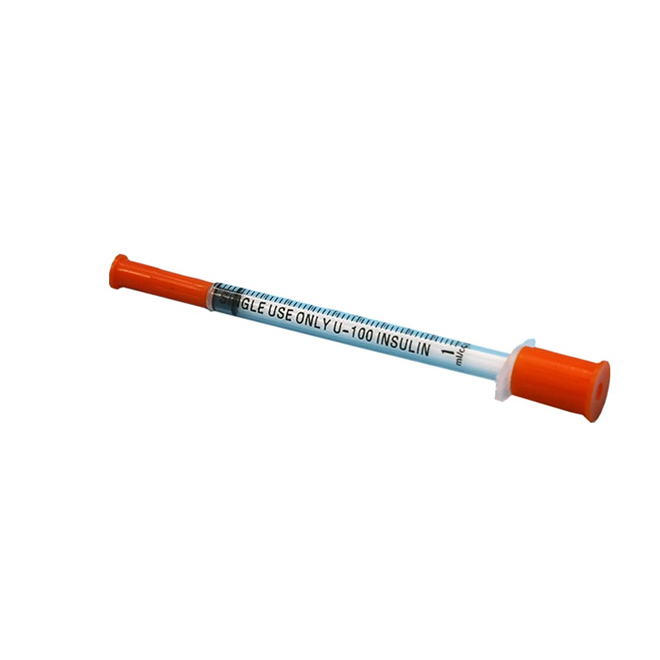
CE Medical Disposable Sterile Injection Plastic Insulin Syringe Safety Single Use
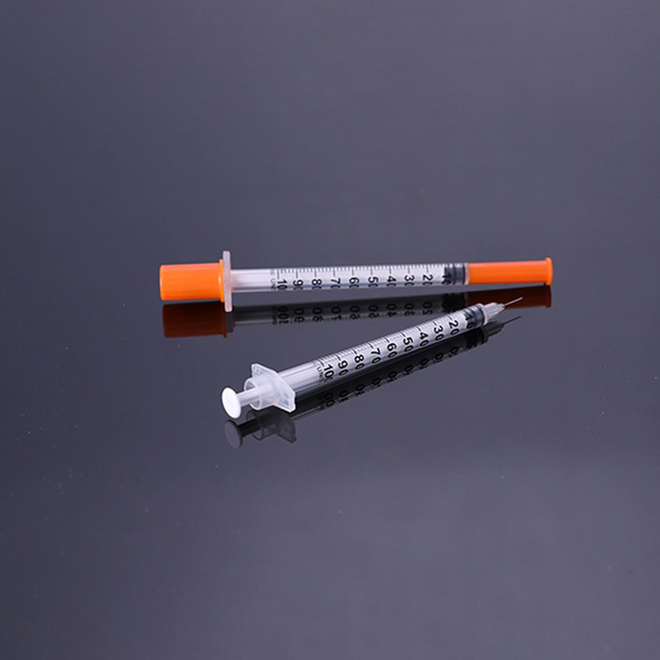
Hot Sale Insulin Syringe with Various with High Quality
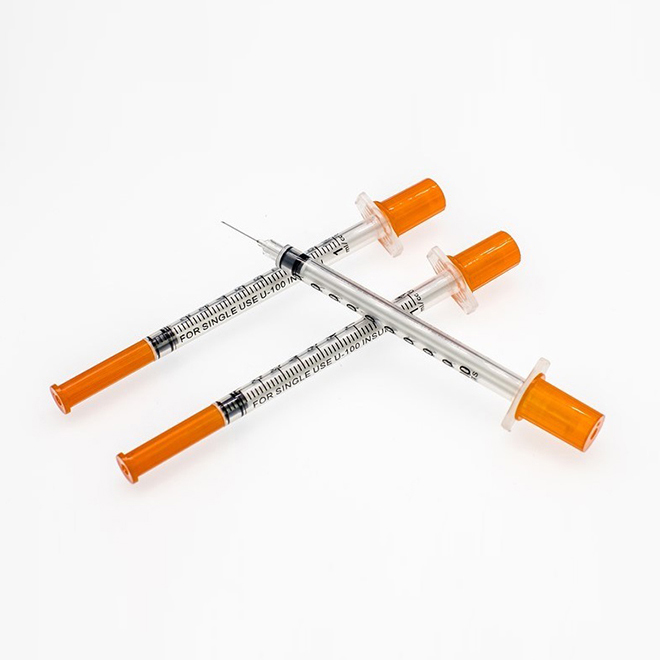
Disposable insulin syringe 1ml
Recent News
1.Choosing the Right Luer Lock Syringe Size: A Practical Guide for Healthcare Settings
2026-03-272.Top 10 Luer Lock Syringe Manufacturers in Philippines 2025
2025-11-243.Top 10 Disposable Syringe Manufacturers in 2025
2025-10-214.Insulin Syringe Sizes: How to Choose the Right Size for Your Situation
2026-04-015.Top 10 Luer Lock Syringe Manufacturers in India 2025
2025-09-226.Exploring the Use and Benefits of Luer Lock Syringes
2026-06-307.What is a luer slip syringe used for?
2025-07-07