




Choosing the Right Luer Lock Syringe Size: A Practical Guide for Healthcare Settings
 Mar 27, 2026|
 View:1805
In the fast-paced environment of modern healthcare, the difference between a successful procedure and a complication often comes down to the tools in a clinician’s hand. Among these, the luer lock syringe stands out as a cornerstone of safety and precision. Unlike standard slip-tip syringes that rely on friction alone, the threaded mechanism of a luer lock syringe ensures a secure, leak-proof connection, making it the gold standard for critical applications such as IV pushes, central line management, and enteral feeding.
However, selecting the correct syringe size is more than just choosing a vessel for fluid. It directly impacts medication safety, patient comfort, and procedural efficiency. Using a syringe that is too large can compromise dosing accuracy, while one that is too small may require multiple refills, increasing the risk of contamination.
This guide is designed to help healthcare professionals, procurement specialists, and clinic managers navigate the nuances of luer lock syringe sizing. We will explore the technical aspects, clinical applications, and best practices to ensure that you are always equipped with the right tool for the task, backed by the reliability of a trusted manufacturer like Holinx.
Key Takeaways
Safety First: The luer lock syringe prevents needle detachment, significantly reducing the risk of needlestick injuries and accidental spills during high-pressure injections.
Size Matters: Matching syringe volume to the medication dose and viscosity is crucial for accuracy. Using a 1ml syringe for a 0.5ml dose is safer than using a 10ml syringe for the same volume.
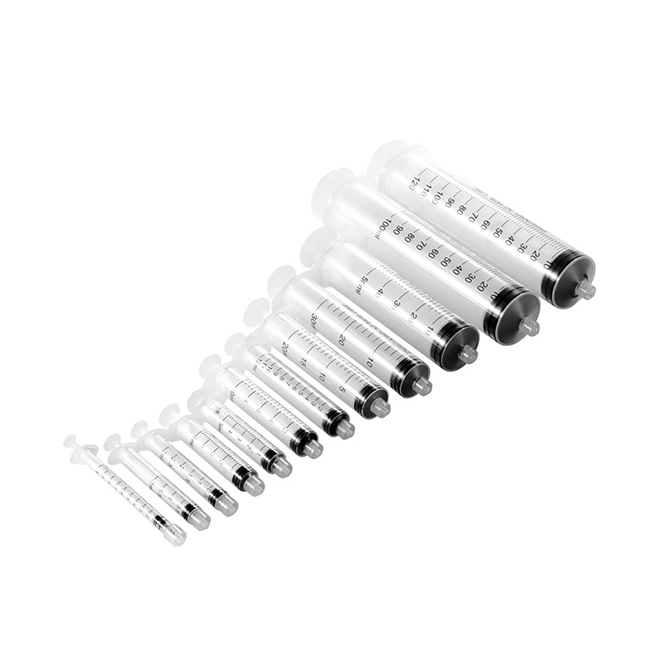
Application Specific: Small syringes (1ml–5ml) excel in precise medication delivery, while medium syringes (10ml–20ml) are ideal for wound irrigation and IV flushes. Large syringes (30ml–60ml) are designed for enteral feeding and suctioning.
Quality Assurance: Look for ISO 13485 and CE-certified manufacturing, like that of Holinx, to ensure consistent quality, material safety, and accurate scale graduation.
Understanding the Anatomy of a Luer Lock Syringe
Before diving into sizing, it is essential to understand what makes a luer lock syringe distinct. The defining feature is the integrated threaded hub at the tip. This thread mates with a corresponding needle or catheter, twisting to lock in place. This mechanism provides:
Secure Connection: Eliminates the risk of the needle popping off during high-pressure injections.
Leak Prevention: Ideal for handling viscous fluids or when connecting to IV lines for extended periods.
Versatility: Allows for the attachment of various devices, including blunt fill needles, safety needles, and extension tubes.
Modern manufacturing standards, such as those maintained by Holinx, ensure that these components are made from medical-grade polypropylene, offering chemical resistance and clarity. The plunger must move smoothly to provide tactile feedback to the clinician, and the barrel must feature clear, laser-etched scales to prevent dosing errors.
Comprehensive Luer Lock Syringe Size Guide
Selecting the correct size is a balance between capacity and precision. Below is a detailed breakdown of the most common sizes, their characteristics, and ideal use cases.
1ml and 2ml Syringes: The Precision Instruments
These small-volume syringes are engineered for accuracy. The narrow barrel allows for minute graduation marks, enabling clinicians to measure fractions of a milliliter with confidence.
Typical Applications:
Administering insulin or vaccines.
Delivering intradermal (skin) tests.
Low-volume medications for pediatric or neonatal patients.
Preparing allergy extracts.
Key Features: The 1ml luer lock syringe is often available with a long, thin barrel to facilitate precise visual confirmation of the dose. At Holinx, our 1ml and 2ml options are designed with minimal dead space to reduce medication waste, a critical factor when dealing with expensive biologics.
3ml and 5ml Syringes: The Clinical Workhorses
The 3ml and 5ml sizes are the most frequently used syringes in general practice, hospitals, and urgent care centers. They offer a balance of capacity and control, suitable for both intramuscular (IM) and subcutaneous (SC) injections.
Typical Applications:
IM injections of vaccines or antibiotics.
SC injections of heparin or insulin (with appropriate needles).
Drawing up medications from vials.
Small-volume IV pushes via a saline lock.
Key Features: The 3ml luer lock syringe is the universal tool for standard adult vaccinations. Its ergonomic design allows for a steady grip, ensuring that the clinician can aspirate before injection if necessary. A high-quality 5ml luer lock syringe from Holinx provides a smooth plunger action, reducing hand fatigue during repeated use.
10ml and 12ml Syringes: The Versatile Mid-Range
When moving to medium volumes, the application shifts from simple injection to fluid management. These syringes are robust enough to handle thicker liquids and are commonly used for flushing and irrigation.
Typical Applications:
Flushing peripheral IV catheters and central lines (using a pulsatile flush technique).
Wound irrigation to remove debris and bacteria.
Aspirating fluids from drainage systems.
Key Features: A 10ml luer lock syringe is the standard recommendation for IV flushing because the volume and pressure are ideal for maintaining catheter patency without risking damage to the vessel. The secure lock is crucial here to prevent the flush syringe from detaching from the IV hub during the push.
20ml, 30ml, and 60ml Syringes: The High-Capacity Solutions
Large syringes are designed for tasks requiring volume rather than injection pressure. They are essential for enteral feeding and suctioning, though they are rarely used for parenteral injections due to the high pressure they can generate.
Typical Applications:
Enteral Feeding: Delivering nutrition through nasogastric (NG) or gastrostomy (G-tube) tubes. It is critical to use a luer lock syringe that is labeled "enteral only" or to use a dedicated enteral connector to prevent misconnections.
Suctioning: Aspirating thick mucus or gastric contents.
Catheter Inflation: Inflating the balloon on a Foley catheter.
Large-Volume Irrigation: Flushing surgical drains or bladders.
Key Features: The 50ml luer lock syringe and 60ml luer lock syringe are built for capacity. Holinx manufactures these with a durable barrel to withstand the pressure required for aspiration while maintaining a smooth glide.
Luer Lock Syringe Size and Application Summary
| Syringe Size | Typical Applications | Key Considerations |
| 1ml – 2ml | Neonatal meds, allergy tests, intradermal injections, low-dose insulin | Prioritize precision and minimal dead space. |
| 3ml – 5ml | IM/SC injections, standard medication draws, small IV pushes | Balance of control and capacity; the most common sizes. |
| 10ml – 12ml | IV line flushing, wound irrigation, fluid aspiration | Standard for maintaining IV patency; requires a secure lock. |
| 20ml – 30ml | Enteral feeding, catheter balloon inflation, wound drainage | Medium-high volume; ensure connection type matches the device. |
| 50ml – 60ml | NG tube feeding, bladder irrigation, suctioning, large-volume wash | Maximum capacity; often used with enteral adapters. |
Material Quality and Safety Standards
The efficacy of a luer lock syringe is only as good as the materials and manufacturing processes behind it. When sourcing syringes, it is imperative to consider compliance with international standards.
Holinx prioritizes quality at every stage of production. Our manufacturing facility in Changzhou, China, operates under strict quality management systems. We utilize medical-grade polypropylene sourced from industry leaders like Borouge, SK, and SINOPEC to ensure the syringes are:
Pyrogen-free: Safe for injection, eliminating the risk of fever reactions.
Chemically Resistant: Compatible with a wide range of pharmaceutical compounds.
Clear and Distortion-Free: Laser-etched scales provide easy viewing, minimizing the risk of dosing errors.
Furthermore, our commitment is validated by EU SGS certification, ISO 13485, and ISO 9001 quality system certifications. For our international clients, we ensure that our luer lock syringe offerings are compliant with CE and FDA standards, providing unwavering quality consistency across every batch.
Cost-Effectiveness and Supply Chain Reliability
In healthcare settings, supply chain reliability is as critical as product quality. Stockouts can halt procedures, compromise patient care, and increase operational stress. Choosing a supplier with a robust, integrated supply chain is essential.
Holinx offers a comprehensive supply chain solution. By manufacturing our own components and maintaining rigorous quality control, we ensure that we can meet large-volume orders and long-term contracts without compromising on quality. Our ability to provide a full spectrum of sizes—from the 1ml luer lock syringe to the 60ml luer lock syringe—makes us a single, dependable partner for healthcare systems.
This integrated approach allows for:
Consistent Availability: Reduced risk of supply chain disruptions.
Cost Efficiency: Streamlined manufacturing and logistics translate to cost-effective solutions for our clients.
Customization Options: For large-scale contracts, we can accommodate specific requirements regarding packaging, needle types (such as Nipro or Terumo), and gasket materials (latex, latex-free, or butyl rubber).
Frequently Asked Questions (FAQ)
Q1: When should I choose a luer lock syringe over a slip tip syringe?
A: Always choose a luer lock syringe when administering medications under high pressure (e.g., IV push), when connecting to a central line, or when the risk of needle detachment is critical. The threaded connection provides superior safety and leak-proof assurance compared to standard slip tips.
Q2: Can I use a 10ml luer lock syringe for IV flush?
A: Yes, a 10ml luer lock syringe is the standard recommendation for IV flushing. The 10ml volume allows for a pulsatile flush technique that effectively clears the catheter, and the luer lock mechanism prevents the syringe from accidentally disconnecting from the IV hub during the procedure.
Q3: What is the best syringe size for enteral feeding?
A: For enteral feeding (NG or G-tubes), a 50ml luer lock syringe or 60ml luer lock syringe is commonly used. However, to prevent dangerous misconnections, always ensure the syringe is specifically designed or designated for enteral use. Some large syringes feature a unique connector to prevent accidental IV connection.
Q4: How do I ensure dosing accuracy when using a luer lock syringe?
A: To ensure accuracy, select a syringe size that is as close to the volume needed as possible. For example, use a 1ml luer lock syringe for a 0.8ml dose rather than a 5ml syringe. Always read the measurement at the top edge of the plunger seal and ensure the barrel has clear, laser-etched scales, like those found on Holinx syringes.
Q5: Why is medical-grade material important for a luer lock syringe?
A: Medical-grade polypropylene ensures the syringe is pyrogen-free, chemically resistant, and non-toxic. It prevents leaching of harmful substances into the medication and maintains structural integrity under pressure. Reputable manufacturers like Holinx source materials from verified suppliers like Borouge or SINOPEC to guarantee patient safety.
Conclusion
Selecting the right luer lock syringe size is a foundational aspect of safe and efficient clinical practice. From the precision of a 1ml syringe for a neonatal patient to the capacity of a 60ml syringe for enteral feeding, each size serves a specific purpose that directly impacts patient outcomes.
By understanding the clinical applications and prioritizing quality, healthcare settings can reduce risks, improve workflow, and ensure consistency in care. Partnering with a certified manufacturer like Holinx provides access to a full range of high-quality luer lock syringes, backed by ISO-certified processes and a reliable supply chain. Whether you are drawing up a vaccine with a 3ml luer lock syringe or flushing a central line with a 10ml luer lock syringe, choosing the right size from a trusted source is a decision that supports both clinical excellence and operational peace of mind.
For more information on our full range of luer lock syringes and to discuss your specific procurement needs, please visit www.holinx.com.
Recommended Products
2ml disposable Luer Lock Syringe without Needle
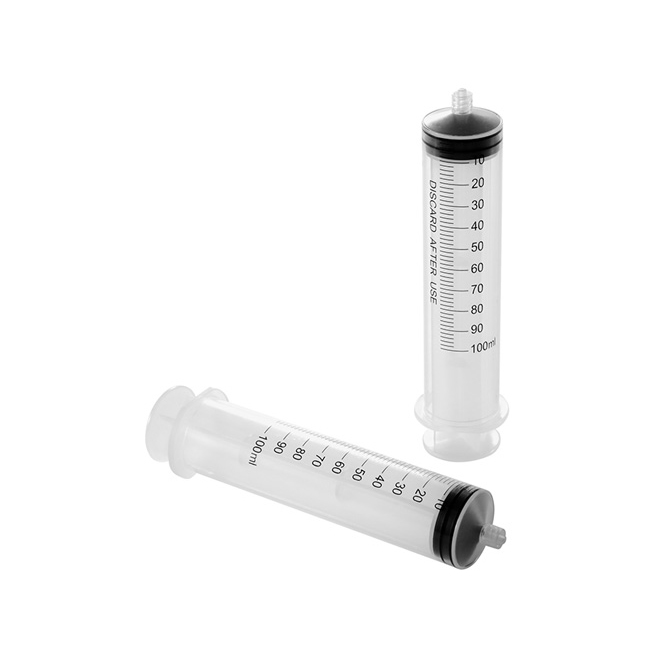
120ml Luer Lock Syringe without Needle
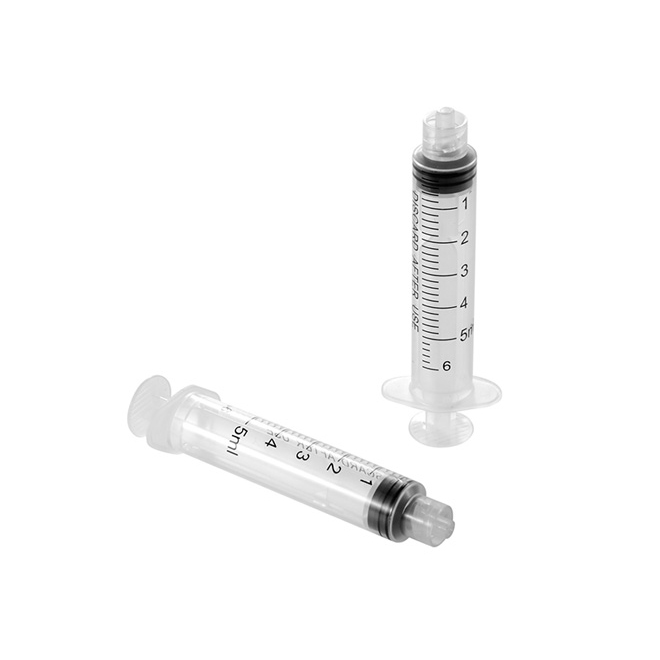
50ml Luer Lock Syringe without Needle
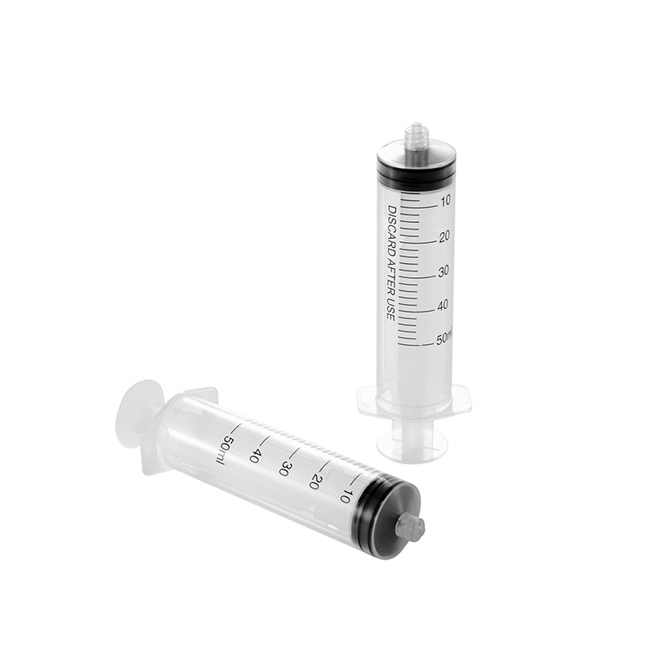
100ml Luer Lock Syringe without Needle
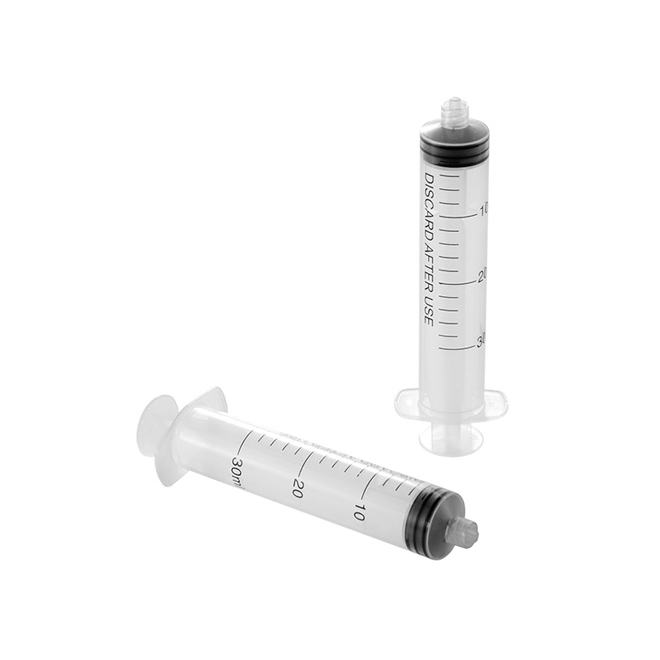
30ml Luer Lock Syringe without Needle
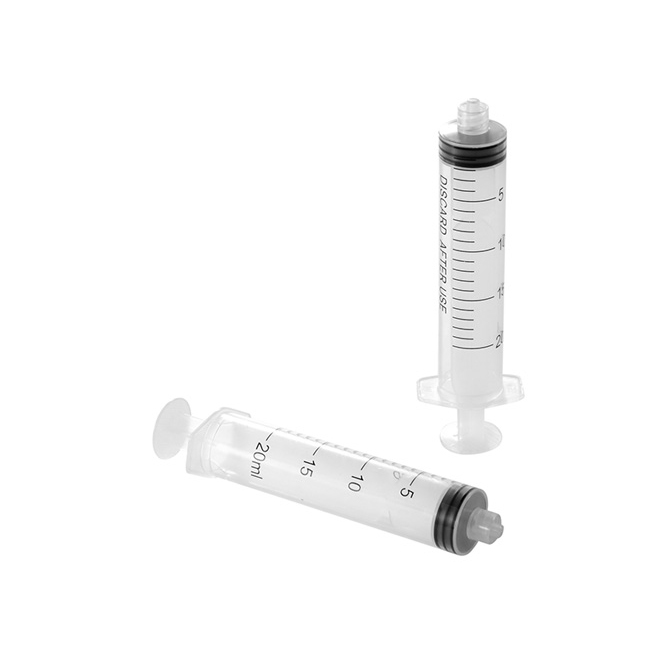
20ml Luer Lock Syringe without Needle
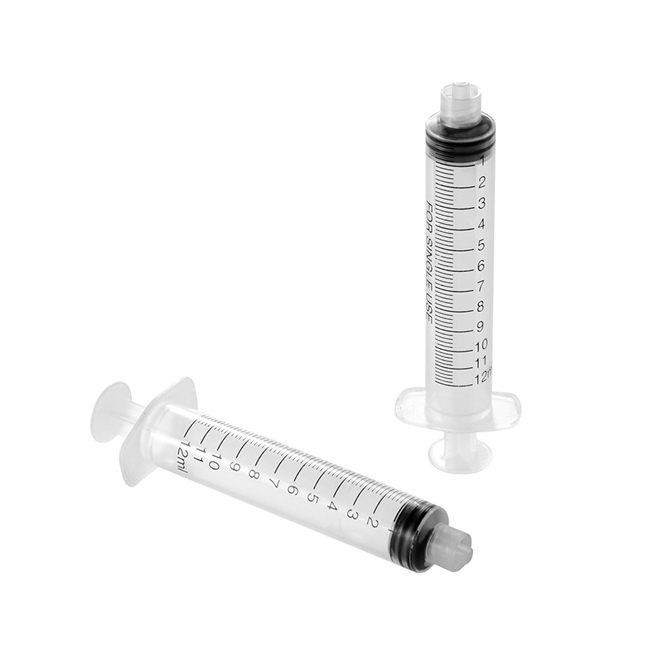
12ml Luer Lock Syringe without Needle
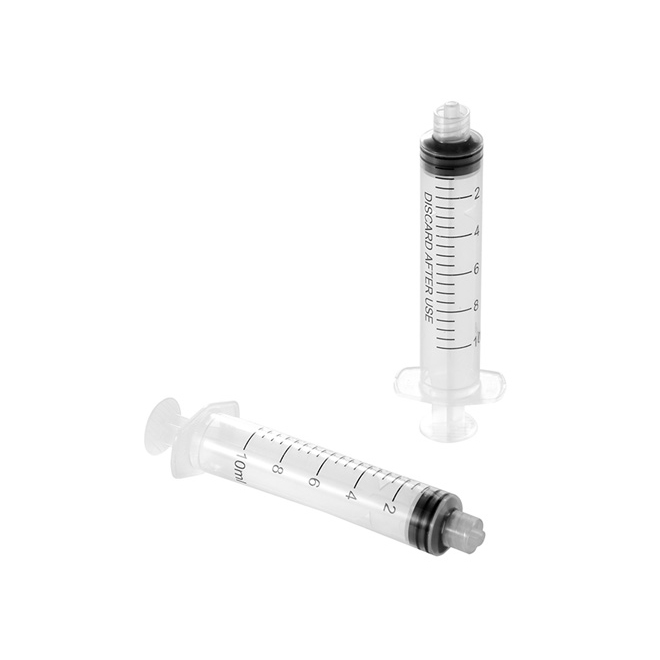
10ml Luer Lock Syringe without Needle
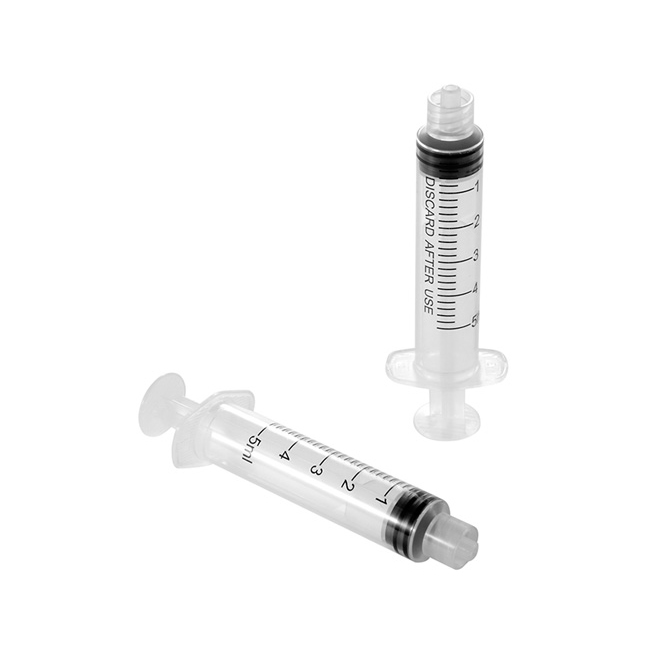
5ml Luer Lock Syringe without Needle
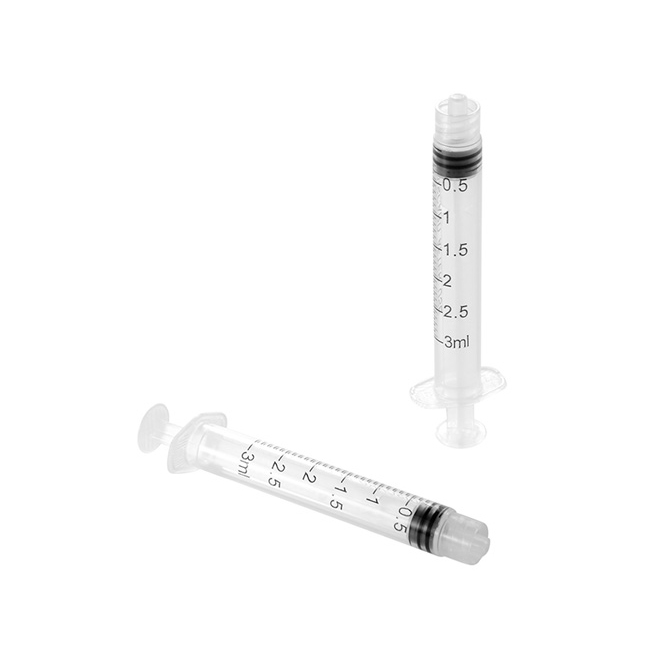
3ml Luer Lock Syringe without Needle
Recent News
1.What is the Difference Between a Luer Lock Syringe and a Normal Syringe?
2025-09-252.What is a Luer Lock Syringe Used For?
2025-09-293.Top 10 Disposable Syringe Manufacturers in 2025
2025-10-214.Top 10 Luer Lock Syringe Manufacturers in Philippines 2025
2025-11-245.Exploring the Use and Benefits of Luer Lock Syringes
2026-06-306.Top 10 Luer Lock Syringe Manufacturers in India 2025
2025-09-227.What is a luer slip syringe used for?
2025-07-07