



Hypodermic Syringe vs Normal Syringe: What Is the Difference and Which One Should You Choose?
 Jul 09, 2026|
 View:494
When selecting medical syringes for hospitals, clinics, laboratories, or healthcare applications, many buyers and medical professionals often compare hypodermic syringe vs normal syringe to understand their differences, applications, and advantages.
Although both types of syringes are designed for transferring or injecting fluids, they are not always used in the same situations. A hypodermic syringe is specifically designed for injections through the skin, while a normal syringe is a broader category that may refer to various syringes used for liquid handling, medication delivery, or other medical purposes.
Understanding the difference between a hypodermic syringe and normal syringe helps healthcare providers, distributors, and medical device buyers select the right product based on safety requirements, injection methods, and application needs.
As a professional medical device manufacturer, Holinx provides high-quality disposable syringe solutions, including sterile syringes designed for different healthcare applications with reliable performance and strict quality control.
Key Takeaways
A hypodermic syringe is mainly designed for subcutaneous, intramuscular, and intravenous injections.
A normal syringe is a general term covering different syringe types used for medical and non-medical purposes.
Hypodermic syringes usually include a compatible needle for injection, while some normal syringes may be supplied without needles.
Choosing between a hypodermic syringe and normal syringe depends on the intended application, dosage accuracy, and safety requirements.
1. What Is a Hypodermic Syringe?
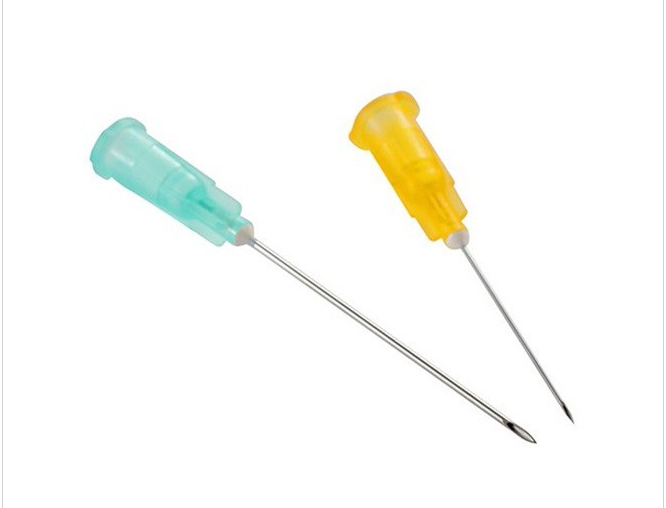
A hypodermic syringe is a medical device specifically designed to inject medications, vaccines, or other fluids into the body through the skin.
The word "hypodermic" refers to the area beneath the skin. These syringes are commonly used for delivering drugs into:
Subcutaneous tissue
Muscle tissue
Veins
A typical hypodermic syringe consists of:
| Component | Function |
|---|---|
| Barrel | Holds the medication or liquid |
| Plunger | Controls fluid movement |
| Needle | Penetrates the skin for injection |
| Gasket | Provides sealing and smooth operation |
Hypodermic syringes are commonly supplied as sterile disposable products to reduce the risk of infection and cross-contamination.
Common applications include:
Vaccination
Insulin injection
Medication administration
Emergency medical treatment
Hospital procedures
2. What Is a Normal Syringe?
The term normal syringe is not a specific medical classification. Instead, it is often used as a general description of standard syringes used for different purposes.
A normal syringe may refer to:
Laboratory syringes
Feeding syringes
Syringes without needles
Unlike hypodermic syringes, normal syringes may not always be designed for injection through the skin.
Oral Syringe
Used for administering liquid medication to children or patients who cannot swallow tablets.
Laboratory Syringe
Used for:
Liquid measurement
Sample transfer
Research applications
General Disposable Syringe
Used for:
Medication preparation
Fluid transfer
Medical procedures
Therefore, "normal syringe" describes a broader category rather than one specific syringe design.
3. Hypodermic Syringe vs Normal Syringe: Main Differences
The differences between a hypodermic syringe vs normal syringe can be compared from several aspects.
| Feature | Hypodermic Syringe | Normal Syringe |
|---|---|---|
| Main Purpose | Injection into the body | General fluid handling |
| Needle | Usually included or compatible | May or may not include needle |
| Application | Medical injection | Various medical and non-medical uses |
| Sterility Requirement | Strict sterile requirement | Depends on application |
| Common Users | Hospitals, clinics, healthcare professionals | Healthcare, laboratories, general users |
| Design Standard | Injection-focused | Depends on syringe type |
4. Difference in Applications
Hypodermic Syringe Applications
A hypodermic syringe is mainly used when medication needs to enter the body.
Typical applications include:
Vaccination
Vaccines require accurate dosage delivery, making sterile hypodermic syringes essential.
Intramuscular Injection
Used for medications delivered into muscle tissue.
Examples:
Antibiotics
Hormone injections
Certain vaccines
Subcutaneous Injection
Used for medications injected under the skin.
Examples:
Insulin
Certain biological medications
Intravenous Injection
Used by healthcare professionals for delivering medication directly into veins.
Normal Syringe Applications
Normal syringes are commonly used when injection through the skin is not required.
Applications include:
Medication Preparation
Healthcare workers may use standard syringes to measure and transfer medications.Laboratory Use
Researchers use syringes for accurate liquid handling.Oral Medication Delivery
Oral syringes help deliver accurate liquid doses.Medical Device Applications
Some syringes are used with medical equipment for fluid management.
5. Differences in Design and Structure
Needle Design
The biggest difference between a hypodermic syringe and normal syringe is the needle function.
A hypodermic syringe requires a sharp sterile needle capable of penetrating skin tissue.
Needle characteristics include:
Stainless steel construction
Different gauge sizes
Different needle lengths
Sterile packaging
A normal syringe may be designed without a needle because its purpose may only involve transferring liquids.
Precision Requirements
Hypodermic syringes require high accuracy because incorrect dosage can affect patient safety.
Important factors include:
Accurate measurement markings
Smooth plunger movement
Reliable sealing performance
Low leakage risk
Professional medical syringe manufacturers use precision production processes to maintain consistent performance.
6. Hypodermic Syringe Sizes and Types
Hypodermic syringes are available in different capacities depending on medical requirements.
| Syringe Size | Common Applications |
|---|---|
| 1ml | Insulin, precise medication injection |
| 3ml | General injections |
| 5ml | Medication administration |
| 10ml | Larger volume injections |
| 20ml+ | Specialized medical procedures |
Different needle gauges are also available:
| Needle Gauge | Typical Usage |
|---|---|
| 18G-21G | Drawing medication, larger injections |
| 22G-25G | General injections |
| 26G-30G | Small-volume and delicate injections |
7. Which Syringe Should You Choose?
The choice between a hypodermic syringe and normal syringe depends on the intended use.
Choose a Hypodermic Syringe When:
You need:
Medication injection
Vaccine administration
Insulin delivery
Intramuscular injection
Subcutaneous injection
A hypodermic syringe provides the necessary needle design and sterile protection required for safe injection.
Choose a Normal Syringe When:
You need:
Liquid transfer
Laboratory measurement
Oral medication administration
General fluid handling
A normal syringe may provide a more suitable solution when skin penetration is not required.
8. Why Quality Matters When Selecting a Syringe Manufacturer
Whether purchasing hypodermic syringes or standard disposable syringes, selecting a reliable manufacturer is essential.
A professional syringe manufacturer should provide:
Medical-Grade Materials
High-quality syringes should use:
Medical-grade polypropylene
Safe gasket materials
High-quality stainless steel needles
Strict Sterilization
Medical syringes require effective sterilization methods, such as:
EO sterilization
Gamma sterilization
Quality Testing
Manufacturers should perform:
Leakage testing
Dimensional inspection
Sterility testing
Functional testing
OEM Customization
Global distributors often require customized solutions, including:
Syringe capacity
Needle specifications
Packaging design
Private labeling
9. Why Choose Holinx for Disposable Syringe Solutions?
Holinx is a professional medical device manufacturer providing reliable syringe solutions for global healthcare markets.
With experience in medical product manufacturing, Holinx focuses on:
Reliable Product Quality
Strict quality control is applied throughout:
Material selection
Manufacturing
Assembly
Packaging
Final inspection
Customized Medical Solutions
Holinx supports OEM requirements for different markets, including customized syringe specifications and packaging solutions.
Professional Manufacturing Capability
Holinx provides disposable syringe products designed for hospitals, clinics, distributors, and healthcare organizations worldwide.
Frequently Asked Questions (FAQ)
Q1: Is a hypodermic syringe the same as a normal syringe?
No. A hypodermic syringe is a specific type of syringe designed for injections through the skin, while a normal syringe is a general term covering various syringe types.
Q2: Can a normal syringe be used for injection?
It depends on the design. Only syringes specifically manufactured for injection and supplied with appropriate sterile needles should be used for medical injections.
Q3: What is the main advantage of a hypodermic syringe?
The main advantage is that it provides accurate and sterile medication delivery through the skin using a specially designed needle.
Q4: Are hypodermic syringes disposable?
Yes. Most modern hypodermic syringes are designed as single-use disposable medical devices to reduce infection risks.
Q5: How do I choose the right syringe manufacturer?
Choose a manufacturer with medical device experience, quality certifications, reliable production capacity, sterilization capability, and OEM support.
Conclusion
When comparing hypodermic syringe vs normal syringe, the main difference lies in their intended applications. Hypodermic syringes are specialized medical injection devices designed for safe medication delivery through the skin, while normal syringes represent a broader category used for various fluid handling purposes.
For healthcare providers, distributors, and medical device buyers, selecting the correct syringe type and partnering with a reliable manufacturer are essential steps to ensure product safety and performance.
Holinx provides professional disposable syringe manufacturing solutions with strict quality control, OEM capabilities, and reliable medical device production experience to support global healthcare needs.
Recommended Products
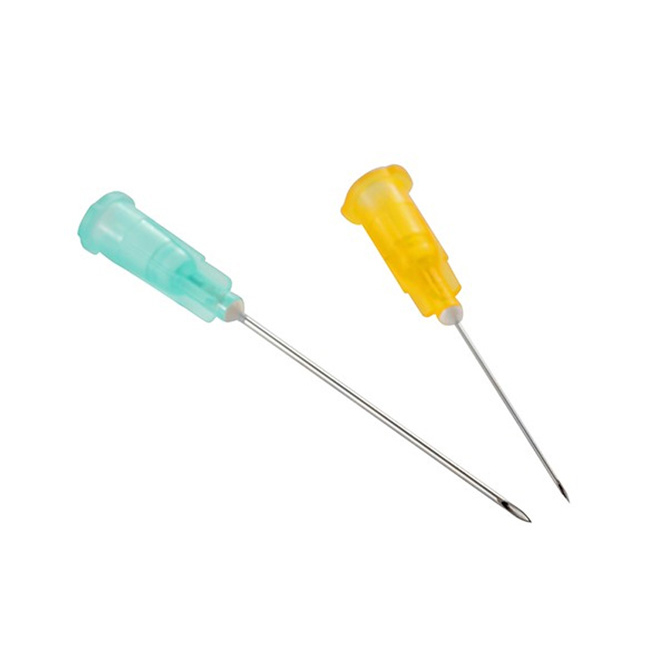
Disposable Medical Sterile Insulin Hypodermic Syringe Needle Sterile with CE
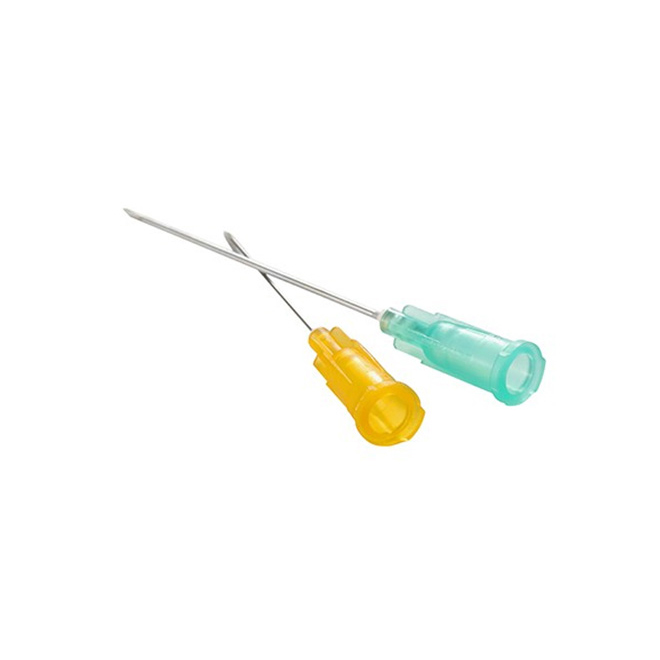
Disposable Medical Sterile Insulin Hypodermic Syringe Needle Sterile with ISO
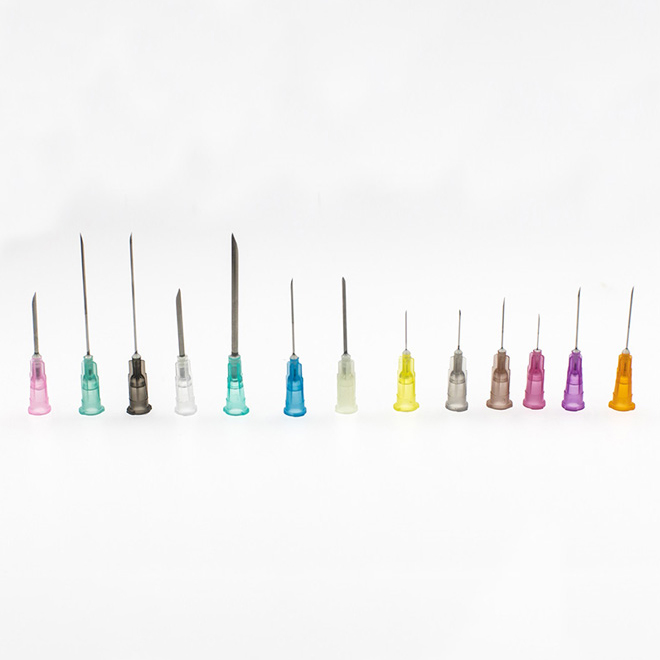
Hypodermic Needles 18g
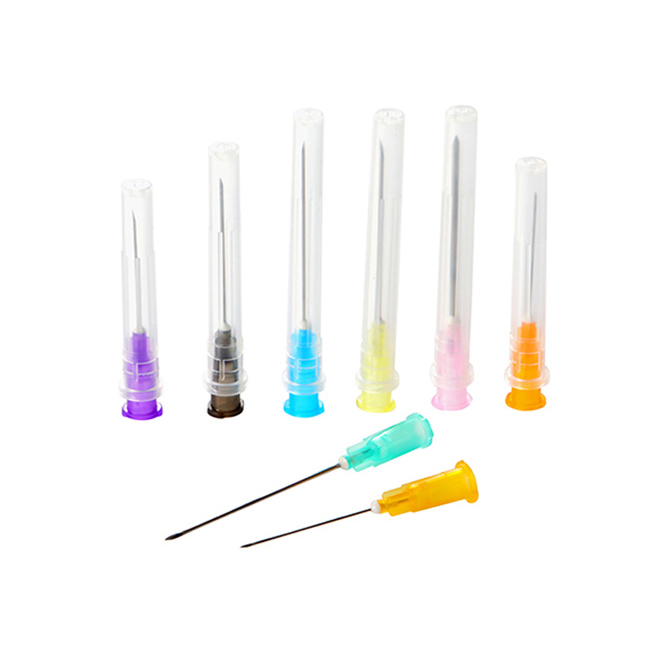
Hypodermic Needle 27g
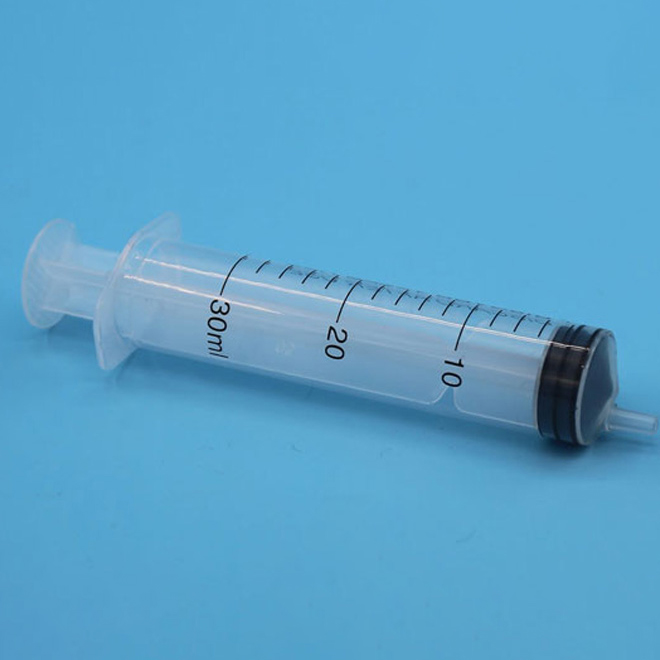
30ml disposable syringe
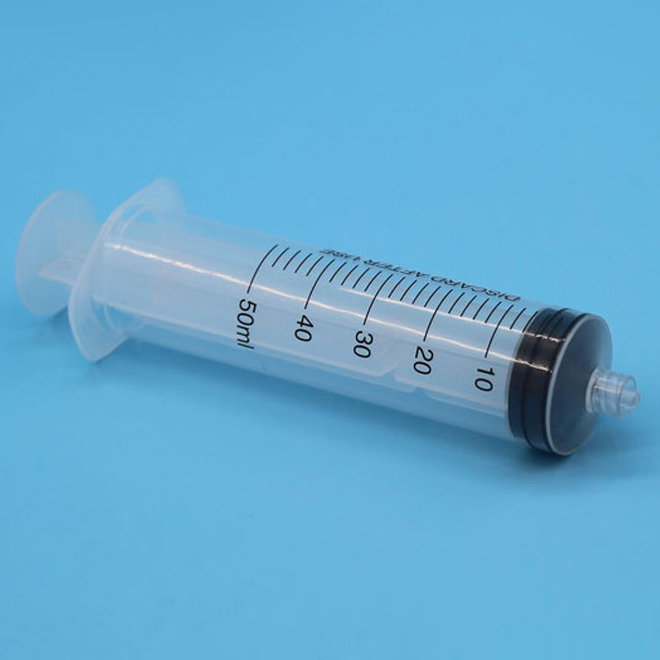
50ml disposable syringe
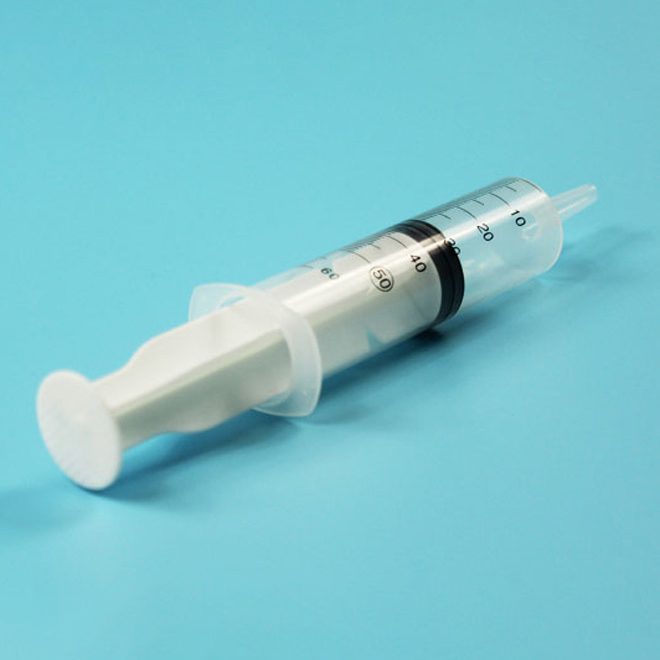
60ml medical disposable irrigator syringe
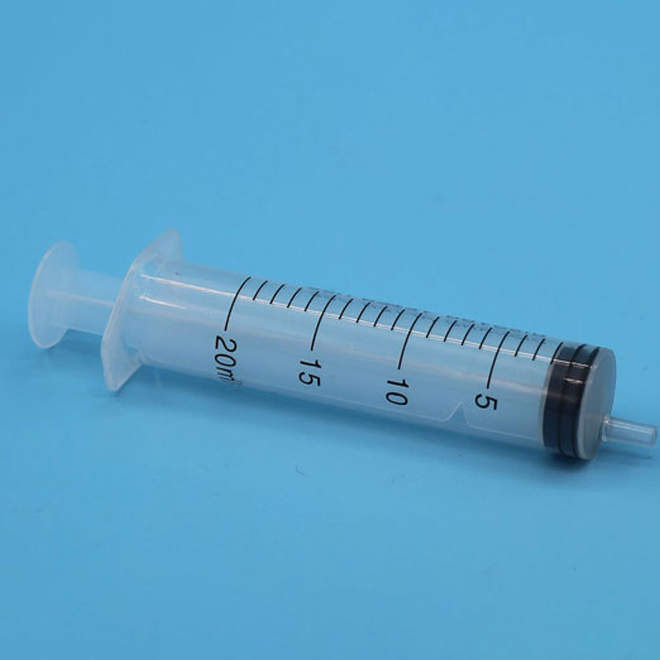
20ml disposable syringe
Recent News
1.What is the difference between Luer Lock and Luer Slip Syringes?
2026-06-122.What Is a Disposable Insulin Syringe and How Does It Work
2026-05-283.How to use disposable syringes
2026-05-284.What Is a Disposable Hypodermic Syringe and How Does It Work
2026-05-275.Why Choose 120ml Luer Lock Syringe for Your Lab Needs
2026-05-21