




What Is a Disposable Insulin Syringe and How Does It Work
 May 28, 2026|
 View:393
A disposable insulin syringe helps you take care of diabetes. It makes giving insulin shots safe and simple. You use the syringe one time, then throw it away. This keeps each shot clean and lowers the chance of infection. Many people pick disposable syringes because they cost less. Doctors and nurses also trust them. You need comfort, safety, and accuracy when using insulin. The right syringe can really help your daily routine.
Here are some common myths and facts about insulin syringes:
Myth | Truth |
|---|---|
A larger syringe is always better for high doses. | Bigger syringes may not give the accuracy needed for small doses. You should pick the size that fits your needs, not just go bigger. |
Needle length doesn’t affect the injection. | If the needle is too short, insulin may not reach the right tissue layer. This can change how your body takes in the insulin. |
One syringe size fits all users. | Everyone has different needs, so there is no one-size-fits-all. It is important to choose what works best for you. |
Key Takeaways
Disposable insulin syringes are safe and simple to use. They stop infections because you use them only one time.
Picking the right syringe size and needle length is important. It helps you get the correct dose and makes shots more comfortable.
Always use the right way to give injections. Wash your hands, get the insulin ready, and change where you inject to keep your skin healthy.
Throw away used syringes in a sharps container. This keeps others safe and helps protect the environment.
Talk to your doctor or nurse to choose the best syringe for you. They can help you based on your body and how much insulin you need.
Disposable Insulin Syringe Basics
Key Features
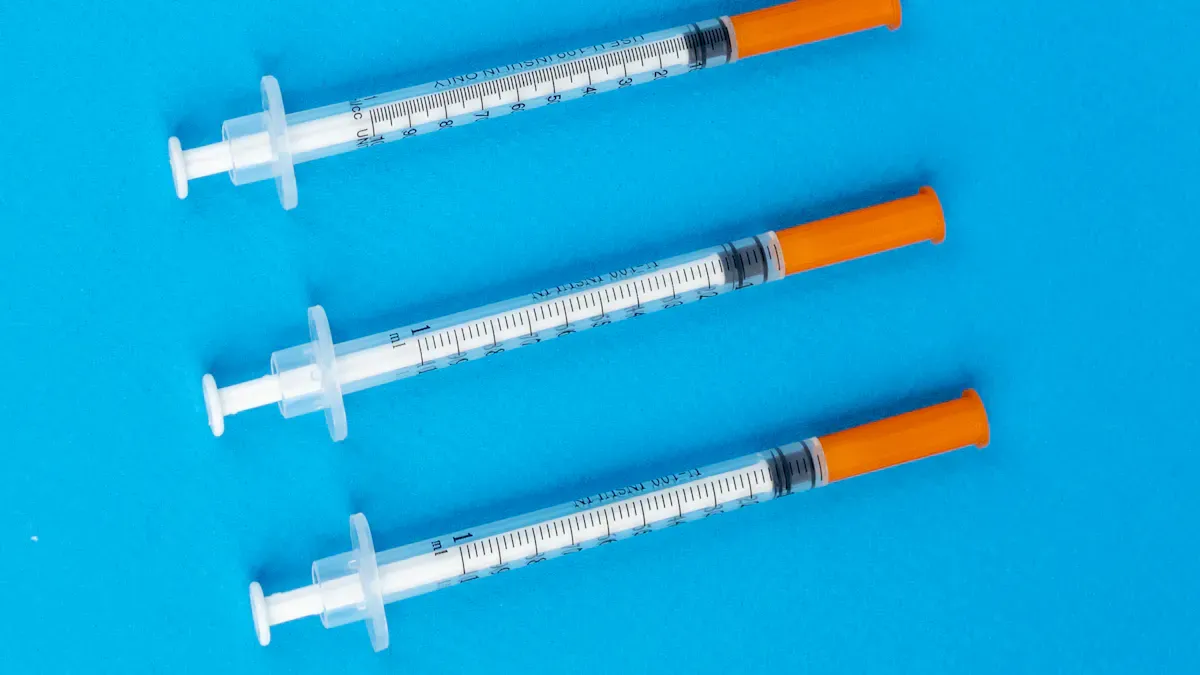
A disposable insulin syringe helps you take insulin safely. You use it only one time. Each syringe comes in a clean, sealed package. This keeps germs away and lowers your chance of getting sick. You do not need to wash or use the syringe again. Just use it once and throw it away.
This syringe gives you the right amount of insulin. The numbers on the side are big and easy to see. The needle does not come off, so almost no insulin is left inside. This means you get the full dose every time. The needle is thin and short, so it hurts less when you use it.
Companies like Changzhou Holinx Industries Co., Ltd. make sure their syringes are safe. Holinx checks each syringe carefully and follows important safety rules. They use ISO 13485 and CE mark standards. These rules help keep the syringes safe and good to use. Holinx also uses SGS checks and ISO 9001 to keep quality high. You can trust that each syringe is safe and works well.
Tip: Always look for words like "sterile" and "single use only" on the package before you use your syringe.
Main Components
A disposable insulin syringe has a few main parts. Each part helps you give insulin safely and correctly.
Component | Function |
|---|---|
Syringe body | Holds the insulin and helps you measure the right amount. |
Needle | Puts insulin under your skin. It is short and thin, so it does not hurt much. |
Markings | Show you how much insulin you are using. |
Low dead space | Makes sure you use almost all the insulin, so you do not waste any. |
New syringes are even easier to use now. Some need less strength to push, which helps if your hands are weak. The numbers are easier to see because they stand out more. Some syringes fit your hand better and some hide the needle if you are scared.
Disposable insulin syringes are safe, easy, and work well. Holinx and other good brands make sure you have the best tools for your diabetes care.
How It Works
Injection Process
You can use a disposable insulin syringe to give yourself insulin. It is safe and easy if you follow the right steps. Here is how you do it:
Wash your hands with soap and water for 20 seconds. Clean hands help stop germs.
Get your insulin ready. If your insulin is cloudy, roll the bottle between your hands to mix it.
Clean the rubber top of the insulin bottle with a clean swab or water.
Pull air into the syringe. The amount should match your insulin dose.
Push the air into the insulin bottle. This stops a vacuum from forming.
Turn the bottle upside down. Pull the right amount of insulin into the syringe. Look for air bubbles and tap the syringe to get rid of them.
Pick where you will give the shot. Do not use spots with scars, your belly button, or red or infected skin.
Pinch your skin and put the needle in at a 90-degree angle.
Push the insulin in slowly and steady. Keep the needle in for 10 to 30 seconds so all the insulin goes in.
Take out the needle at the same angle. If you see blood or insulin leaking, press the spot with a clean tissue.
Throw away the used syringe in a sharps container right after you use it.
Tip: Change where you give your shots each time. This helps your skin stay healthy and helps the insulin work better.
Here is a table that shows common mistakes and how to avoid them:
Common Errors | Prevention Strategies |
|---|---|
Needle degradation from reuse | Use each disposable insulin syringe only once. Throw it away if it touches anything dirty. |
Incorrect injection site | Change your shot spot every time. Stay away from scars or infected areas. |
Inaccurate dosing | Check your dose three times and remove air bubbles before you inject. |
Poor hand hygiene | Wash your hands before every shot. |
Improper injection technique | Use a 90-degree angle and keep the needle in for at least 10 seconds. |
Safety and Sterility
A disposable insulin syringe keeps you safe because you use it only once. This helps stop infections and keeps each shot clean. When you open a new syringe, you know it is clean and ready.
Trusted brands like Changzhou Holinx Industries Co., Ltd. follow strict rules to keep syringes safe. Holinx uses special ways to make syringes clean, like gamma radiation and ethylene oxide gas. Each batch is tested for germs to make sure the syringes stay clean until you use them. The package keeps the syringe clean and lets you open it without touching the needle.
Industry rules like ISO 13485 and ISO 11607 tell companies how to make and test syringes. These rules help keep you safe and make sure the syringes work well. Groups like the FDA and European Medicines Agency also check that companies follow good rules when making syringes.
Here is a table that shows how companies keep syringes safe and clean:
Category | Details |
|---|---|
Sterilization Methods | Gamma radiation, ethylene oxide gas, electron beam sterilization |
Quality Assurance Testing | Sterility and germ testing, sterility assurance level of 10^-6 |
Packaging Requirements | Clean packaging, sterility signs, long-term safety |
Regulatory Oversight | ISO 13485, ISO 11607, FDA, European Medicines Agency, Good Manufacturing Practices (GMP) |
Note: Never use a disposable insulin syringe more than once. Using a new syringe every time keeps you safe and healthy.
If you follow these steps and use a trusted brand, your insulin shots will be safe, clean, and work well.
Types and Sizes
When you choose a disposable insulin syringe, you need to know about the different sizes and needle lengths. Picking the right size helps you get the correct dose and makes each injection more comfortable.
Syringe Sizes
Syringes come in several barrel sizes. Each size holds a different amount of insulin. You should select a syringe that matches your largest daily dose for the best accuracy. Here is a table to help you understand the common options:
Barrel size | Insulin units | Needle length | Needle gauge |
|---|---|---|---|
0.3 mL | Less than 30 units | 3/16 inch | 28 |
0.5 mL | 30 to 50 units | 5/16 inch | 29, 30 |
1.0 mL | More than 50 units | 1/2 inch | 31 |
If you take small doses, a 0.3 mL syringe lets you measure tiny amounts more easily.
For medium doses, a 0.5 mL syringe works well.
If you need large doses, a 1.0 mL syringe can hold enough insulin for one shot.
Tip: Always use the smallest syringe that fits your dose. This helps you measure insulin more accurately.
Different brands, including Holinx, offer a wide range of syringe sizes. You can find syringes with easy-to-read markings and comfortable grips. Holinx designs syringes for children, adults, and seniors, so you can find the right fit for your needs.
Needle Lengths
Needle length matters for comfort and safety. Shorter needles work well for most people. They lower the risk of injecting insulin into muscle instead of fat. Here is a table showing common needle lengths and who should use them:
Needle Length | Recommended Use |
|---|---|
4 mm | Children, slim adults |
5 mm | Children, slim adults |
6 mm | Slim adults, some heavier people |
8 mm | Most adults |
10 mm | Heavier people |
12.7 mm | Heavier people |
Children and slim adults usually need 4 mm or 5 mm needles.
Most adults use 6 mm or 8 mm needles.
Heavier people may need 10 mm or 12.7 mm needles for proper delivery.
You should also think about your age, body type, and how much insulin you take. Thinner needles (higher gauge numbers) feel more comfortable and cause less pain. Holinx and other trusted brands make syringes with many needle lengths and thicknesses, so you can choose what feels best for you.
Note: Always talk to your doctor or nurse before changing your syringe or needle size. The right choice helps you manage your diabetes safely and comfortably.
Choosing and Using Safely
Selecting the Right Syringe
You must pick a syringe that matches your body and insulin needs. Your doctor or nurse will help you choose the best size and needle length. Picking the right syringe makes shots safer and less painful. Think about your age, body shape, and how much insulin you use each day. The table below gives some common suggestions:
Body Type | Recommended Needle Length | Gauge Recommendation |
|---|---|---|
Pediatric Patients (<18 years) | 4-5mm | 32G |
Adult Patients (BMI <18.5) | 4mm | 32G |
Adult Patients (BMI 18.5-24.9) | 5-6mm | 31-32G |
Adult Patients (BMI 25-29.9) | 6-8mm | 30-31G |
Adult Patients (BMI ≥30) | 8mm | 29-30G |
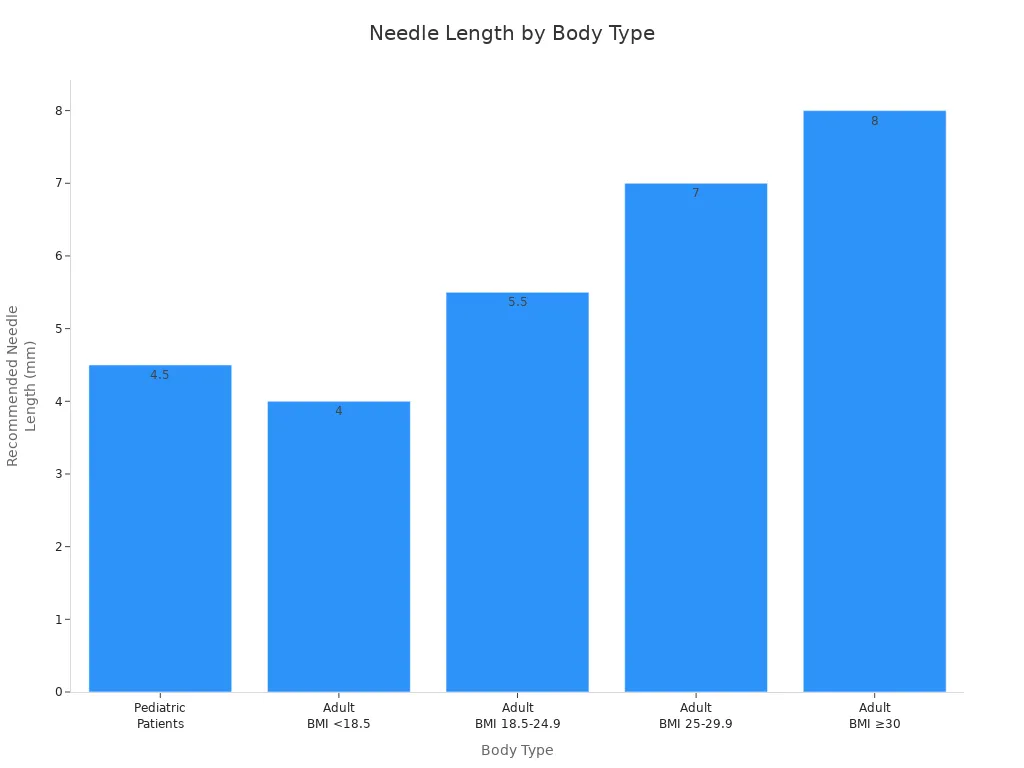
Doctors look at your BMI, skin thickness, and where you give your shot. They also watch how you inject insulin. These things help them find the best syringe for you.
Some syringes have special parts to make shots easier. Triple-bevel needles can hurt less. Silicone coating helps the needle slide in better. Safety caps keep you safe from pokes. Always use a disposable insulin syringe just one time to stop germs from spreading.
Proper Disposal
Throwing away syringes the right way keeps everyone safe from harm and sickness. After using a syringe, do not try to put the cap back on. Put it right away into a strong sharps container. Health rules say you should keep used sharps away from normal trash. Many places use three bins: one for regular trash, one for things that can make you sick, and one for sharps.
Follow these tips for safe use and disposal:
Wash your hands for 20 seconds before and after shots.
Clean your skin with antiseptic, starting in the middle and moving out.
Wait 30 seconds for your skin to dry before giving the shot.
Never use or share a syringe again.
Throw away the syringe within 60 seconds after using it.
Only use sharps containers that the FDA says are safe.
Using a syringe more than once can cause big problems. It makes infection and skin damage more likely. Studies show people who reuse needles get more infections and other health problems. Using a new syringe every time keeps you healthy and saves money.
Tip: If you do not know how to throw away used syringes, ask your doctor or local pharmacy for help. Some places have special drop-off spots or mail-back programs.
You are important in taking care of diabetes. Learning to use disposable insulin syringes the right way helps you stay healthy. Good injection skills help keep your blood sugar steady and stop problems. Nurses and doctors teach you safe ways to give shots. They answer your questions and show you how to throw away used syringes. You should pick trusted brands like Holinx for safety and comfort. You can take care of your health and help others too.
FAQ
How many times can I use a disposable insulin syringe?
You should use a disposable insulin syringe only once. Throw it away after each use. This keeps you safe from infections and needle damage.
What should I do if I see air bubbles in the syringe?
Tap the syringe gently to move air bubbles to the top. Push the plunger slightly to remove them. Air bubbles can change your insulin dose.
Can I share my insulin syringe with someone else?
Never share your insulin syringe. Sharing can spread infections and diseases. Always use your own syringe for every injection.
How do I know which syringe size is right for me?
Ask your doctor or nurse for advice. They will look at your insulin dose and body type. You can also check the markings on the syringe for the right size.
Recommended Products
0.5ml 1ml 2ml Injection Disposable Safety Sterile Injection Medical Insulin Syringe
Medical Disposable Insulin Injection Syringe with Needle for Diabetic
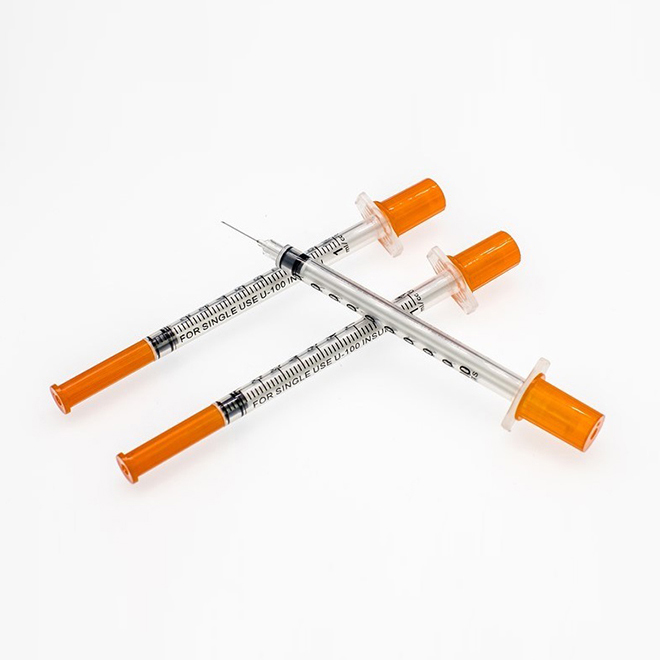
Disposable insulin syringe 1ml
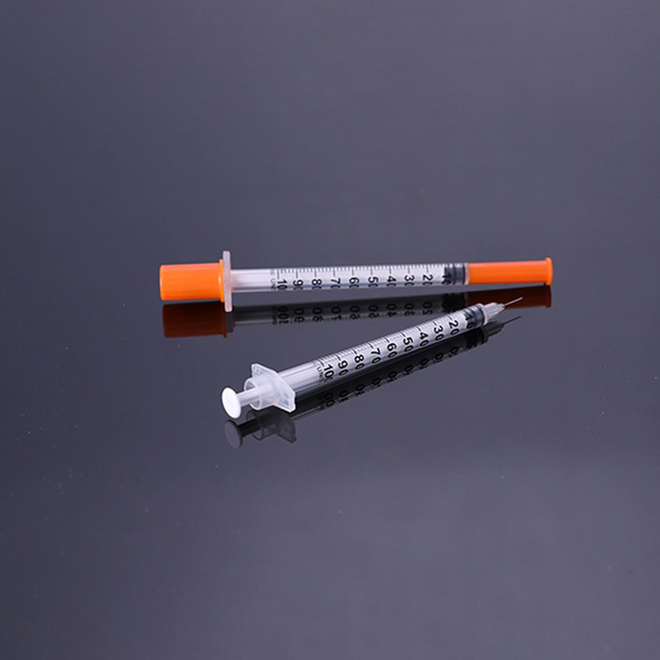
Hot Sale Insulin Syringe with Various with High Quality
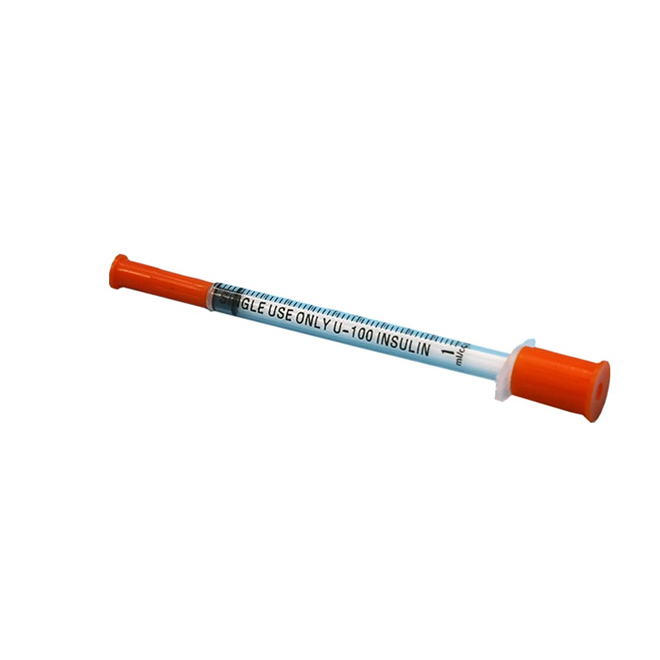
CE Medical Disposable Sterile Injection Plastic Insulin Syringe Safety Single Use
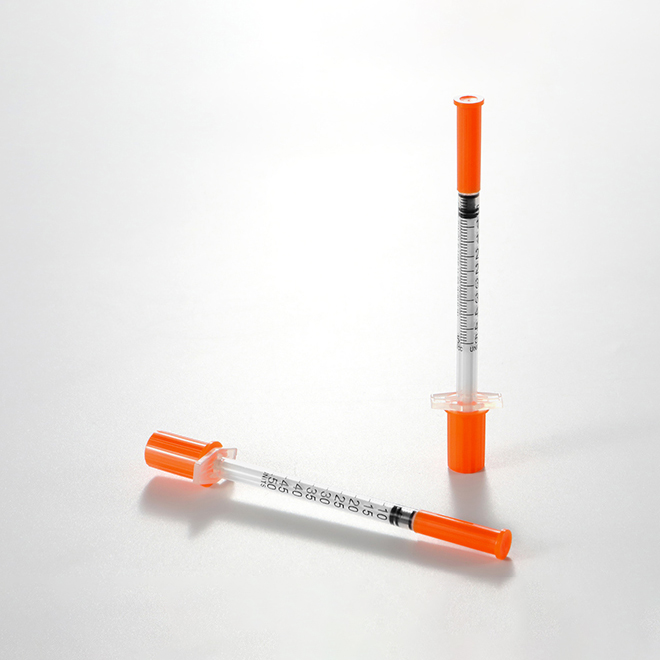
Disposable Medical Sterile Colored Insulin Syringe with Orange Cap
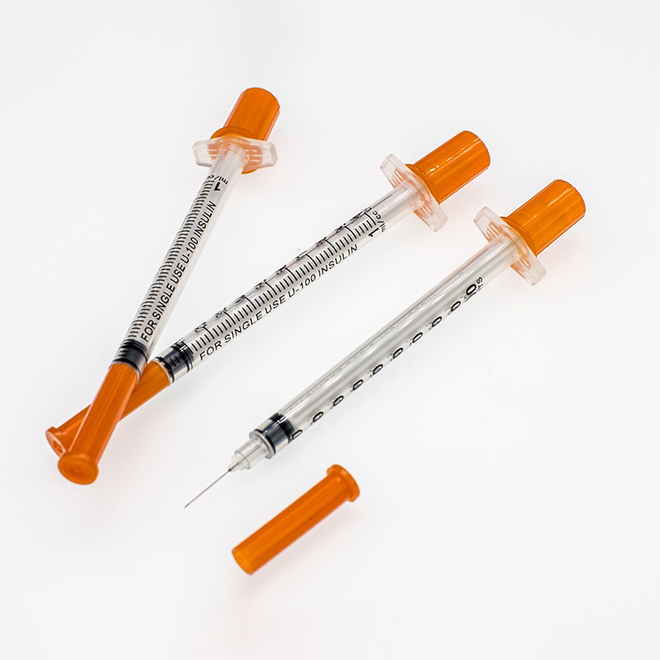
Sterile Disposable Insulin Syringe
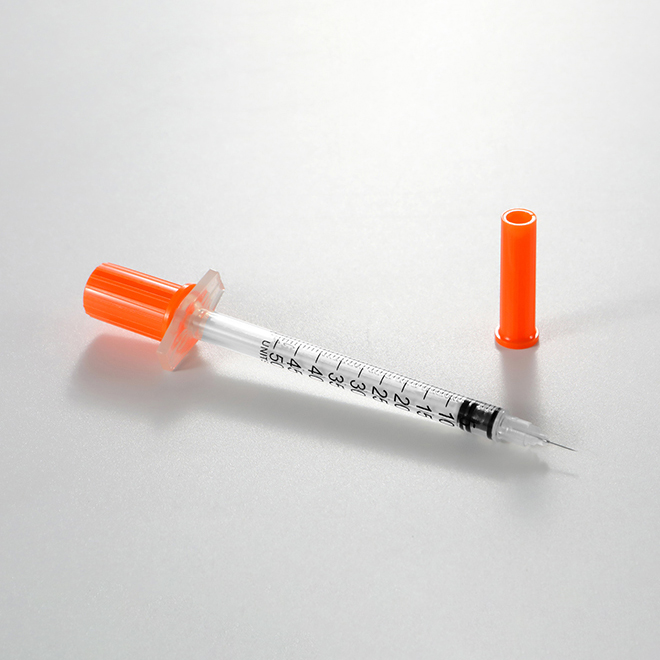
Disposable Insulin Medical Injection Plastic Syringe with Hypodermic Needle
Recent News
1.How to use disposable syringes
2026-05-282.What Is a Disposable Hypodermic Syringe and How Does It Work
2026-05-273.Why Choose 120ml Luer Lock Syringe for Your Lab Needs
2026-05-214.Top 1ml Syringe Brands to Consider in 2026
2026-05-075.Everything You Must Know About Insulin Syringe with Needle
2026-04-036.Insulin Syringe Sizes: How to Choose the Right Size for Your Situation
2026-04-017.Top 10 Luer Lock Syringe Manufacturers in Philippines 2025
2025-11-248.Top 10 Disposable Syringe Manufacturers in 2025
2025-10-21