



What Is a Disposable Hypodermic Syringe and How Does It Work
 May 27, 2026|
 View:426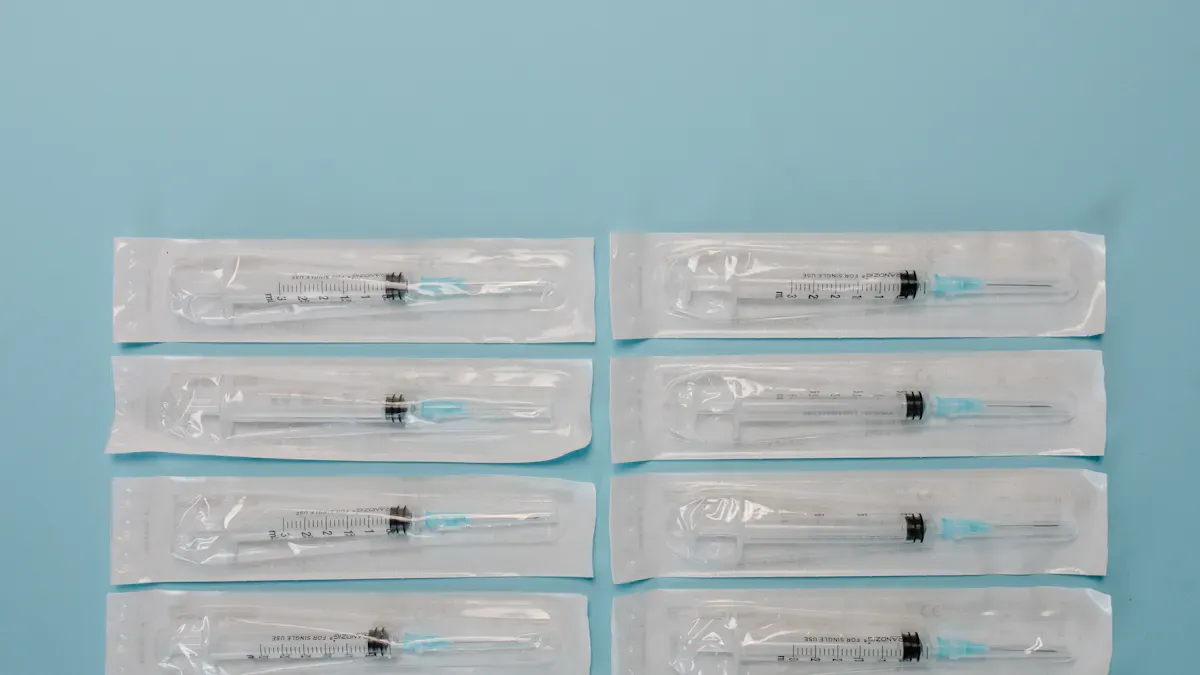
You use a disposable hypodermic syringe when you need a safe and clean way to give medicine or take fluids from the body. This device is made for one-time use, which helps stop germs from spreading. Quality and safety are very important for every syringe you use. You can trust Changzhou Holinx Industries Co., Ltd. to give you dependable hypodermic products for your healthcare needs.
Key Takeaways
Disposable hypodermic syringes are made for one-time use. This helps stop germs and infections from spreading.
Always look at the syringe package for cleanliness and expiration. This keeps you safe when you use it.
Using a new syringe for each shot saves time. It also lowers the chance of getting hurt by a needle.
There are different syringes, like Luer Lock and Luer Slip. Each type has special uses in medicine.
Used syringes must go in sharps containers. This keeps the environment and people safe.
Disposable Hypodermic Syringe Overview

What Is a Disposable Syringe
You use a disposable syringe to safely put fluids in or take them out of the body. It is made to be used only one time, so it helps stop germs from spreading. A disposable syringe has two main parts: a needle and a pump. The pump is made of a tube and a plunger. The plunger moves to make suction or push fluids out. There are numbers on the barrel to help you measure the right amount. Using a new syringe each time keeps people safe from infection.
You can find disposable hypodermic syringes in hospitals, clinics, and homes. These syringes are safer because you throw them away after using them once. This keeps you and others safe from germs and sickness. People use these syringes for many things, like giving medicine, taking blood, and giving shots.
Syringes have changed over time to be safer and work better. In the 1950s, Colin Murdoch made the first all-plastic disposable syringes. This helped stop people from getting sick from reused syringes. In the 1980s, new safety features like retractable needles were added because of the HIV crisis. By 2008, companies made all-plastic needles to keep things even cleaner and safer. Now, syringes have smart features that make shots easier and safer.
Tip: Always look at the package to make sure the syringe is clean before you use it. This helps protect you from getting an infection.
Key Features and Benefits
Disposable hypodermic syringes have special features that make them different from reusable ones. These features help you give care safely and protect patients.
Feature | Disposable Syringes | Reusable Syringes |
|---|---|---|
Materials | Usually made of plastic or aluminum | Often made of metal and glass |
Design | Made for one-time use, often with safety parts | Made for many uses, may not have safety parts |
Connection Type | Uses Luer Lock or press-fit connections | May use different connection types |
Here are the main parts of a disposable hypodermic syringe:
Component | Material(s) |
|---|---|
Barrel | Plastic or Glass |
Plunger | Plastic (with rubber tip) |
Gasket | Rubber |
Needle | Stainless Steel |
Hub | Polypropylene |
Protective Cap | Polypropylene |
There are many reasons to use these syringes:
You lower the chance of infection by using a clean, new syringe.
You do not need to clean or sterilize them, which saves time and money.
Safety features help stop needlestick injuries.
Hospitals and clinics save money by buying lots of syringes at once.
These syringes help keep patients safe and stop the spread of germs.
In 2023, the world market for disposable medical devices was $342.6 billion. Syringes and IV sets made up about 15% of this market. This shows that disposable hypodermic syringes are very important in medicine today.
Companies keep making new and better syringes. Now, some syringes have sharper blades, safety parts like retractable needles, and use materials that are better for the environment. Some even have smart systems that help guide you and stop people from using them again.
You use hypodermic needles and syringes every day. They help you give shots, take blood, and give vaccines safely. You trust disposable syringes to keep you and your patients safe, so they are very important in healthcare.
How Disposable Syringes Work
Syringe Construction
A disposable hypodermic syringe looks simple, but it is made with strong materials and careful design. The barrel holds medicine and has lines to show how much is inside. The plunger fits inside the barrel and moves easily. The rubber gasket makes a tight seal so medicine does not leak. The hypodermic needle connects to the end and goes into the skin for shots.
Here is a table showing the main parts and what they are made of:
Component | Material(s) |
|---|---|
Barrel | Polypropylene, Polycarbonate |
Plunger | Rubber, Silicone |
Needle | Stainless Steel |
Gasket | Polyethylene, Rubber |
Body | Medical grade Polypropylene |
Needle | Medical grade SUS304 (steel cannula) |
These materials help keep the syringe strong and clean. Medical plastics and stainless steel make sure syringes do not break or leak. You can trust disposable syringes to give medicine safely.
Mechanism of Action
When you use a disposable hypodermic syringe, you control the medicine with the plunger and barrel. Pulling the plunger back brings medicine into the barrel. Pushing the plunger sends medicine through the hypodermic needle for shots. The rubber gasket stops leaks and helps you give the right amount.
Here is a table that shows how each part works during shots:
Component | Function | Benefits |
|---|---|---|
Barrel | Holds medicine and has lines for measuring | Helps you give the right amount |
Plunger | Moves the medicine in and out | Makes shots smooth and easy |
Rubber gasket | Keeps air out and stops leaks | No medicine is wasted |
You use hypodermic needles and syringes for shots, blood tests, and vaccines. The plunger moves smoothly and the needle is sharp, so shots are quick and safe. You can trust disposable syringes to help you give medicine the right way every time.
Tip: Always check the syringe for cracks or damage before using it. This keeps you safe during shots.
Uses of Disposable Syringe
Medication Administration
A disposable hypodermic syringe is used for many shots. You can give medicine in different ways. Intravenous injections go into a vein. Intramuscular injections go into a muscle. Subcutaneous injections go under the skin. These syringes help give antibiotics, vitamins, painkillers, and insulin. Hospitals use them for IV therapy and to manage fluids. Dentists use syringes for local anesthetics. Vets use them to give animals shots.
Some common medical uses for syringes and needles:
Vaccinations
General injections
Diabetes care
Hospital treatments
Testing for diseases
Surgery and wound care
Dental work
Animal care
You trust these syringes to give the right amount of medicine. Using a new syringe each time helps stop infections.
Blood Collection
Hypodermic syringes and needles are used to take blood for tests. The sharp needle goes into a vein and pulls blood into the barrel. You need good tools for testing blood. Syringes help you get the right amount for lab work. They are also used for allergy tests and tuberculin testing. You save time because you do not have to clean the syringe after each use.
Note: Always check the needle before taking blood. A broken needle can hurt or cause problems.
Vaccinations and Other Uses
Disposable hypodermic syringes are used for giving vaccines. These syringes keep things clean and protect you from diseases in blood. Laws say you must use a new syringe for each vaccine. Safety features help stop needlestick injuries. Syringes are also used to clean wounds and manage fluids during surgery. Hospitals and clinics use them for special treatments.
Benefits of using disposable syringes for vaccines:
Clean and safe vaccine shots
Fewer needlestick injuries
Follow safety rules
You count on hypodermic syringes and needles for many jobs. They help stop infections, give the right dose, and keep people safe. Syringes and needles are very important in healthcare today.
Types of Hypodermic Needles and Syringes
Luer Slip, Luer Lock, and Low Dead Space
There are different types of hypodermic needles and syringes you can use. Luer Lock and Luer Slip are two common designs. Luer Lock lets you twist the needle on so it stays tight. Luer Slip lets you push the needle on, but it can come off if not pushed hard enough. Low dead space syringes help you save medicine because they do not leave much behind after a shot.
Feature | Luer Lock Syringe | Luer Slip Syringe |
|---|---|---|
Connection Type | Threaded/twist-lock connection | Push-fit/slip connection |
Security of Needle Attachment | Very secure | Less secure; may detach if not firmly pushed |
Risk of Leakage | Very low | Moderate, especially under pressure |
Common Applications | IV injections, high-pressure injections, precise dosing | Low-pressure injections, general use |
Suitability for High-Pressure Injections | Ideal—prevents detachment or leakage | Not recommended—can lead to detachment |
Changzhou Holinx Industries Co., Ltd. has all these types for you. You can pick the right syringe for your job. You can also choose low dead space syringes to waste less medicine.
Size Variations and Applications
You use hypodermic needles and syringes for many things. The size you need depends on what you are doing. Hospitals use thick needles, like 18 gauge, to give fluids fast or for blood transfusions. Thin needles, like 26 to 30 gauge, are good for insulin shots and allergy tests. Needle length is important too. Short needles are used for skin tests. Long needles are used for muscle shots.
Needle Gauge | Typical Uses |
|---|---|
18 Gauge | Rapid fluid infusion, blood transfusions, large-volume fluid administration |
20 Gauge | Drawing blood, injecting thick medications, administering large volumes of fluids |
22 Gauge | General-purpose injections, drawing blood, intramuscular medication administration |
23-25 Gauge | Intramuscular and subcutaneous injections, vaccinations, pediatric injections |
26-30 Gauge | Intradermal injections, insulin administration, minimal tissue damage injections |
Needle Length | Typical Uses |
|---|---|
⅜ Inch | Intradermal injections, allergy tests |
½ Inch | Subcutaneous injections, insulin or heparin |
1 Inch | Intramuscular injections in the deltoid muscle, vaccines |
1½ Inch and Above | Intramuscular injections in larger muscle groups |
Changzhou Holinx Industries Co., Ltd. lets you pick the needle and syringe you want. You can choose the size, packaging, and even the brand name.
You can get syringes made just for you
You can pick how they are packed
You can add your own brand
Tip: Always look at the size and type before using a syringe. This helps you give safe and correct shots.
Changzhou Holinx Industries Co., Ltd. follows strict rules for quality. Their syringes have ISO 13485 and ISO 9001 certificates. These show the syringes are safe and work well.
Certification Type | Description |
|---|---|
CE | Certified by CE for compliance with European standards |
ISO 13485 | Quality management system for medical devices |
ISO 9001 | Quality management system standard for various industries |
You can trust hypodermic needles and syringes from Changzhou Holinx Industries Co., Ltd. They are safe and good for every shot.
Safety and Proper Disposal
Importance of Single-Use
You keep yourself and others safe by using syringes and needles only one time. Using them once stops germs from spreading. If you use a syringe or needle again, you could spread diseases like hepatitis or HIV. About 5.5% of shots around the world use reused tools. This can make people sick from dirty syringes or medicine vials. You stay safe by using new syringes and needles for every shot.
Modern syringes have safety parts. Some have needles that pull back inside after use. Others have covers that go over the needle. These features help stop injuries from needles. Safety syringes protect healthcare workers from germs. Using syringes and needles only once lowers the chance of spreading germs.
Tip: Always check the package before you use a syringe. Make sure it is closed and clean.
Safe Handling and Disposal
You need to be careful when you use and throw away syringes and needles. After giving a shot, put used syringes and needles right into a sharps container. Do not try to put the cap back on the needle. Keep the sharps container close by when you give shots. Work in a clean area, wash your hands, and clean the skin before giving a shot.
Follow these steps to throw away syringes safely:
Use clean, single-use syringes and needles.
Put used syringes and needles in strong containers.
Do not put caps back on needles after shots.
Throw away containers the way your local rules say.
If you do not throw away syringes and needles the right way, it hurts the environment. You could pollute water, spread germs, or send dangerous chemicals into the air if you do not follow the rules.
Environmental Impact | Description |
|---|---|
Contamination of Water Sources | Bad disposal can make drinking water dirty. |
Release of Pathogens | Medical waste can let germs out into the environment. |
Toxic Pollutants | Burning waste wrong can send bad chemicals into the air and make dangerous ash. |
Hospitals and clinics have problems with throwing away syringes. They must handle medical waste, stop injuries from needles, and follow rules to keep everyone safe.
Note: Throwing away syringes the right way keeps you, your community, and the environment safe.
Disposable hypodermic syringes keep patients safe from germs. They help stop infections from spreading. You must pick the right size and needle for each job. Safety features are important to protect people. Every day, over 1,000 sharps injuries happen in U.S. hospitals. Using certified syringes helps lower this risk. More people want safe injections, so the market is growing.
Factor | Recommendation |
|---|---|
Volume of Medication | Pick a syringe that fits your needs. |
Safety Features | Use syringes with safety parts to avoid injuries. |
Always check your syringe before using it. Throw it away safely to keep everyone protected.
FAQ
How do you know if a disposable syringe is sterile?
Always check the packaging. You should see a sealed wrapper with no tears or holes. Look for an expiration date. If the package is open or damaged, do not use the syringe.
Can you reuse a disposable hypodermic syringe?
No, you should never reuse a disposable syringe. Reusing it can spread germs and cause infections. Always use a new, sterile syringe for each injection.
What is the difference between Luer Lock and Luer Slip syringes?
Type | How It Works |
|---|---|
Luer Lock | You twist to secure. |
Luer Slip | You push to attach. |
Luer Lock gives a tighter, safer fit. Luer Slip is quick and easy to use.
How should you dispose of used syringes safely?
You must place used syringes in a sharps container right after use. Never throw them in the trash. This keeps you and others safe from needle injuries and infections.
Recent News
1.Why Choose 120ml Luer Lock Syringe for Your Lab Needs
2026-05-212.Top 1ml Syringe Brands to Consider in 2026
2026-05-073.Everything You Must Know About Insulin Syringe with Needle
2026-04-034.Insulin Syringe Sizes: How to Choose the Right Size for Your Situation
2026-04-015.Choosing the Right Luer Lock Syringe Size: A Practical Guide for Healthcare Settings
2026-03-276.Top 10 Luer Lock Syringe Manufacturers in Philippines 2025
2025-11-247.Top 10 Disposable Syringe Manufacturers in 2025
2025-10-218.What is the Difference Between a Luer Lock Syringe and a Normal Syringe?
2025-09-259.What is a Luer Lock Syringe Used For?
2025-09-29