




How to use an insulin syringe safely and effectively
 Jul 24, 2026|
 View:405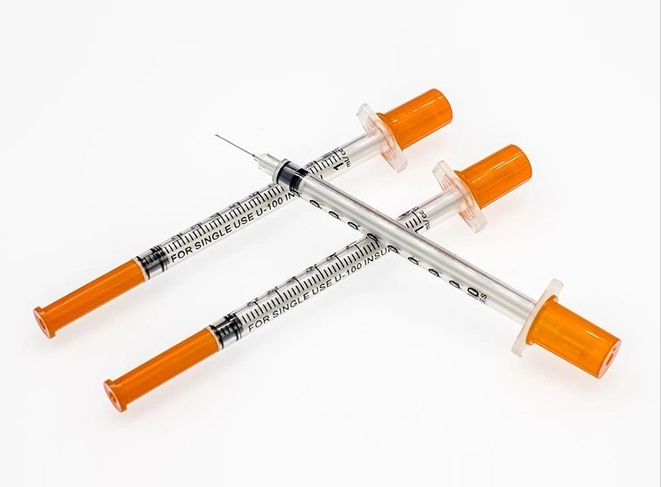
You can use an insulin syringe safely by being careful and clean. Always follow your doctor’s advice. Good syringes from Changzhou Holinx Industries Co., Ltd. help you feel less pain. They also help you get the right amount of insulin. Around the world, 10% of people with diabetes use syringes every day.
Region | Percentage of Patients Using Syringes |
|---|---|
Global | 10% |
Brazil | 78% |
If you use a syringe the wrong way, it can hurt. You might feel pain, get a bruise, or lose some insulin. Some problems you may have are:
Pain when you inject
Bleeding or bruising
Insulin leaking out
Insulin dribbling
Lipohypertrophy
Key Takeaways
Always wash your hands before you get an insulin syringe ready. Clean hands stop germs and help keep you safe from infections.
Look at your insulin and syringe to make sure they are clear and not expired. Do not use anything that looks odd or is past the date.
Use a new, clean syringe every time you give an injection. If you use syringes again, it can cause infections and hurt more.
Insulin Syringe Preparation
Hand Washing
You must wash your hands before you get your insulin syringe ready. Clean hands stop germs from entering your body. Studies show that washing hands lowers infection risk. Nurses who used antiseptic had fewer patients with infections. Hospitals with more handwashing saw less bacteria spread.
Study Description | Findings |
|---|---|
1847 Intervention Trial | Antiseptic handwashing lowered death rates. |
1960s NIH Trial | More infections happened when nurses skipped handwashing. |
Recent Study | More handwashing stopped hospital germs from spreading. |
Use soap and water or an antiseptic hand rub. Dry your hands well. This easy step keeps you safe every time you use an insulin syringe.
Checking Insulin and Syringe
Check your insulin and syringe before you use them. Look at the insulin vial. Clear insulin should be clear, with no particles or color changes. Cloudy insulin should look cloudy, with no clumps or crystals. Do not use insulin that looks strange, smells bad, or is expired. If you see problems, return the vial to your pharmacy.
Best Practice | Description |
|---|---|
Inspect for Clarity | Clear insulin must not have particles or discoloration. Cloudy insulin should not have clumps. |
Check Expiration | Always check the expiration date. Do not use expired insulin. |
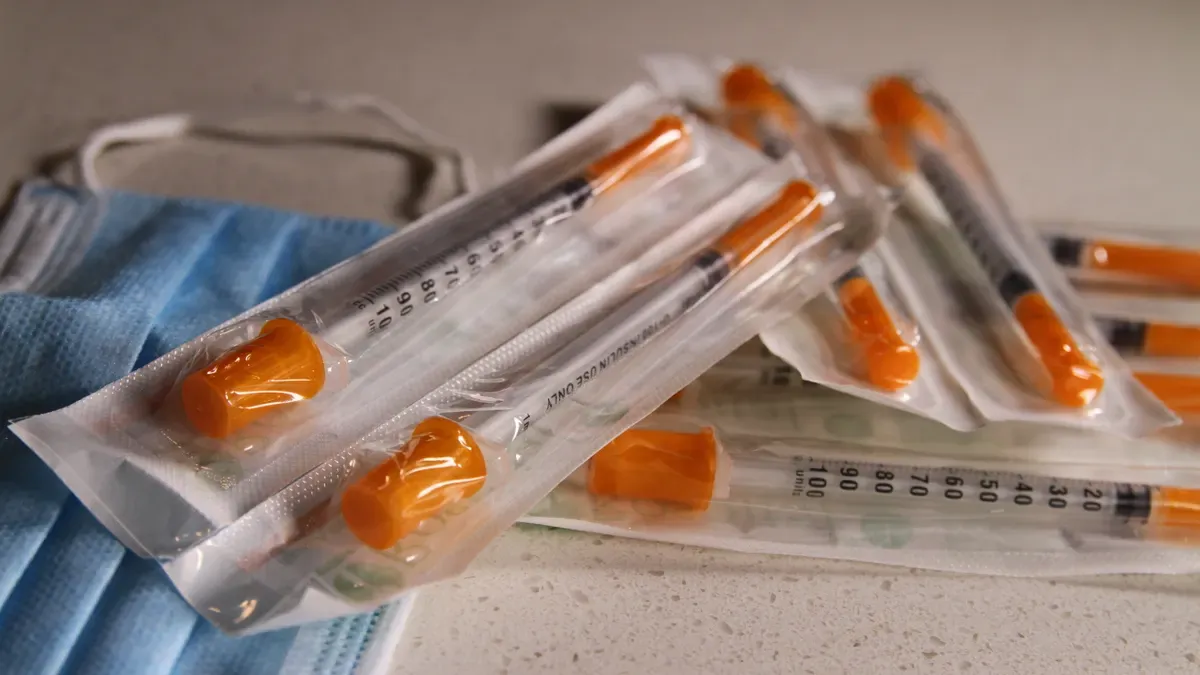
Check the syringe package. Make sure it is sealed and clean. Good syringes, like those from Changzhou Holinx Industries Co., Ltd., are wrapped to keep them sterile. These syringes have smooth needles that help reduce pain. Ergonomic grips make them easy to hold. Some syringes have safety covers or retractable needles to protect you from accidental sticks. Always use a new, sterile insulin syringe for each injection.
Avoiding Common Mistakes
People sometimes make mistakes when preparing their insulin syringe. You can avoid these mistakes by following some simple rules:
Store insulin and syringes in a clean, dry place. Keep them away from sunlight and heat.
Always check the label and packaging. Do not mix up different types of insulin or syringes.
Use the correct syringe size. Using the wrong size can give too much or too little insulin.
Never reuse an insulin syringe. Used syringes can spread germs and cause infections.
If you are new to insulin injections, ask a nurse or pharmacist to check your steps. Double-check your dose before injecting.
Tip: Training and clear labels help stop confusion, especially if you are learning or helping someone else with insulin injections.
High-quality insulin syringes have extra safety features. Some lock after one use. Others have needle guards to protect you when you throw them away. These features help keep you safe and make injections more comfortable.
If you follow these steps, you prepare your insulin syringe safely and avoid mistakes. Good preparation helps you manage diabetes with confidence.
Injection Steps
Drawing Insulin
You need to follow careful steps when drawing insulin into your Insulin Syringe. This process helps you get the right dose and keeps you safe.
Look at the insulin vial. Make sure there are no clumps or particles.
If you have a new vial, write the date on it. Remove the lid.
Clean the rubber stopper with an alcohol swab.
Take the cap off your Insulin Syringe. Do not touch the needle.
Pull back the plunger until the tip matches your insulin dose.
Hold the syringe like a pencil. Push the needle into the vial’s stopper.
Push the plunger down to put air into the vial.
Turn the vial upside down. Keep the needle inside.
Pull back the plunger slowly to draw insulin. Stop when the tip matches your dose.
Tap the syringe gently to move air bubbles to the top. Push the bubbles back into the vial if needed, then pull the correct dose again.
Remove the needle from the vial.
Double-check your dose with another adult or a trained person if possible.
Tip: Always check your instructions from your doctor or nurse. Training helps prevent mistakes and keeps your blood sugar steady.
Insulin Syringe Injection Technique
You can inject insulin with less pain and better results by using the right technique. Follow these steps:
Choose an injection site. The abdomen, thigh, arm, or buttocks work well. The abdomen absorbs insulin fastest.
Clean the skin with soap and water. Let it dry.
Pinch the skin gently to make a skinfold.
Hold your Insulin Syringe at a 90-degree angle if you use a short needle (4-6 mm). Use a 45-degree angle for longer needles.
Relax your muscles at the site.
Insert the needle quickly and smoothly. Do not twist or change direction.
Press the plunger all the way down to inject the insulin.
Wait 5 to 8 seconds before removing the needle. Apply gentle pressure, but do not rub.
Rotate injection sites each time. This prevents lipohypertrophy and keeps insulin working well.
Needle Size | Angle of Insertion | Injection Site Options |
|---|---|---|
4-6 mm | 90 degrees | Abdomen, thigh, arm, buttocks |
8-12.7 mm | 45 degrees | Abdomen, thigh, arm, buttocks |
Note: Rotating sites helps you avoid lumps and keeps your skin healthy. Check your skin often for changes.
Checking for Air Bubbles
Air bubbles in your Insulin Syringe can cause dosing errors. You need to check for bubbles before injecting.
Look for bubbles after drawing insulin.
Tap the syringe gently to move bubbles to the top.
Push the plunger to remove air, then pull back to get the correct dose.
Small bubbles may not harm you, but large bubbles can cause you to get too much or too little insulin.
Alert: Always remove air bubbles to make sure you get the right dose. Mistakes can lead to high or low blood sugar.
Proper Disposal
Safe disposal of your Insulin Syringe protects you and the environment. Follow these steps:
Place used syringes and needles in a sharps disposal container right after use.
Keep the container away from children and pets.
When the container is three-quarters full, follow your community’s guidelines for disposal.
Do not throw loose syringes or needles in the trash or recycling.
Use drug collection programs or approved containers as required by local laws.
Callout: Improper disposal can harm waste handlers and pollute the environment. Eight billion injections happen outside hospitals each year. Always use proper disposal methods to prevent injuries and protect your community.
Tip: If you have questions about disposal, ask your pharmacist or local health department.
Wash your hands to keep germs away. Check the insulin’s expiration date before using it. Use a new needle for every injection. Prepare your injection in a clean place. Put used syringes in a sharps container. If you are not sure what to do, ask your healthcare provider for help.
FAQ
How often should you change your insulin syringe?
You need a new insulin syringe each time you inject. Using the same syringe again can cause infections. It can also make your injection hurt more.
What should you do if you see blood after injecting insulin?
Do not worry. Press the spot with a clean tissue. Look for bruising at the site. Blood can show up, but it is not harmful.
Can you store insulin syringes in the refrigerator?
Keep unused syringes somewhere clean and dry. Do not put them in the fridge. Wetness can ruin the syringe.