




How to Select a Reliable Safety Syringe Manufacturer in 2026
 Sep 21, 2026|
 View:
View: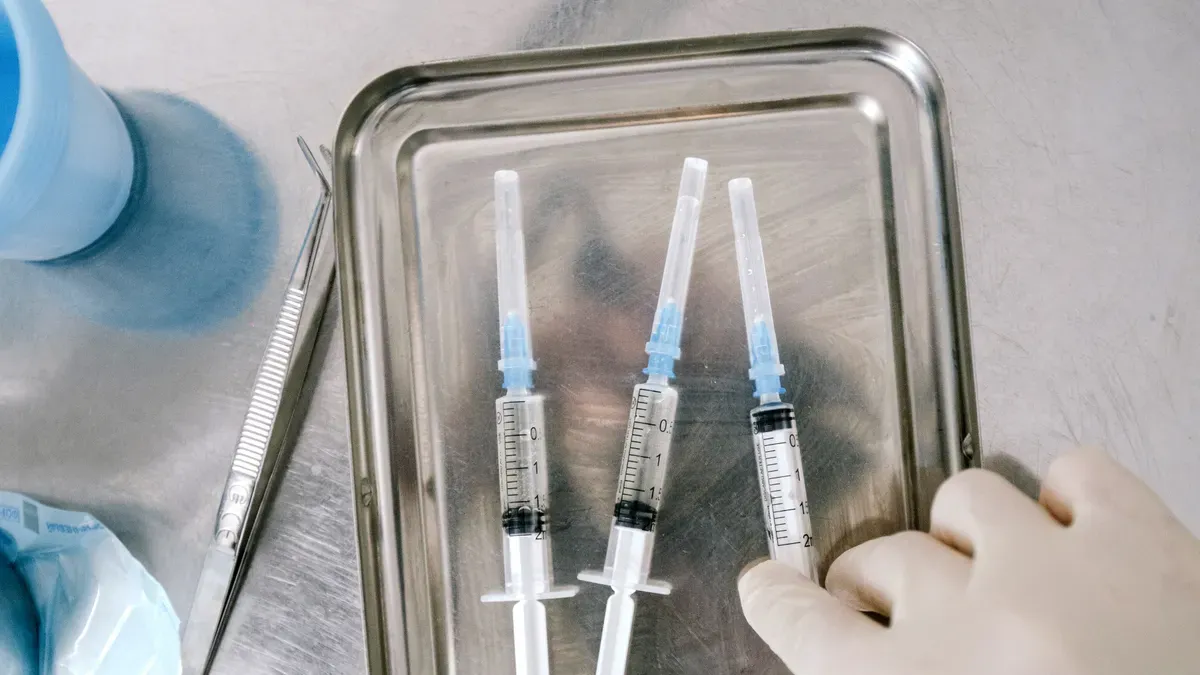
Choosing a dependable safety syringe manufacturer in 2026 requires you to check seven key factors. These are certifications and regulatory compliance, manufacturing quality and safety standards, product design and safety features, company reputation and track record, supply chain and capacity, cost and value, and customer support and communication. The global safety syringes market is expected to reach USD 10.52 billion in 2026, showing the importance of this decision. Each point below gives steps to check. Use this plan to pick a syringe maker that follows rules. Reliable surgical syringes manufacturers show openness at each step.
Key Takeaways
Look at the manufacturer's certifications, such as FDA clearance and ISO 13485, to make sure the product is safe and high quality.
Go to the factory or ask for audit reports to check cleanroom standards and quality control.
Pick syringes that have built-in safety features. These features help lower the chance of needlestick injuries and reuse.
When you compare total costs, include possible needlestick expenses, not just the price for one item.
Check how well the supplier's customer support works and ask for references before you sign a contract.
Certifications and Regulatory Compliance
Certifications are the base of your checking process. They show that a syringe manufacturer meets international safety and performance standards. You need to check several key credentials before you sign any supply agreement.
Key Certifications in 2026
You should look for FDA clearance, CE marking under the Medical Device Regulation (MDR), ISO 13485 certification, ISO 9001, Good Manufacturing Practice (GMP), Material Safety Data Sheets (MSDS), Declaration of Conformity (DOC), and a Free Sale Certificate. These documents show that surgical syringes manufacturers follow strict rules.
The CE marking process under EU MDR has several steps. First, the manufacturer must classify the device per Annex VIII rules. Then they must put in place a quality management system aligned to ISO 13485:2016. Non-EEA companies must appoint an EU Authorised Representative. They also need to register in EUDAMED and get a Single Registration Number. For Class IIa devices and above, a Notified Body must audit the quality system and technical documentation. In 2026, Notified Body waiting lists run 9 to 15 months, so you should confirm your supplier has completed this step.
Requirement | Description |
|---|---|
Confirmed device classification | Documented classification per EU MDR Annex VIII rules |
Legal manufacturer identity | Clear identification with registered address and PRRC |
EU Authorised Representative | Signed mandate for non-EEA manufacturers |
EUDAMED registration | Single Registration Number (SRN) obtained |
QMS framework | Aligned to ISO 13485:2016 |
Notified Body availability | Confirmed for Class IIa and above |
Verifying Compliance Claims
You must check certifications on your own. Do not accept photocopies alone. For FDA 510(k) clearance, go to the FDA's releasable 510(k) database. Search using the manufacturer's name, device name, product code, or 510(k) number. Look at the returned record for fields like Device Classification Name, Regulation Number, and Decision Date. Confirm the Decision field shows clearance. Check whether the Summary or Statement field indicates available safety and effectiveness information.
Access the FDA's 510(k) Clearances page to find the database search tool.
For CE marking documentation, ask for the Declaration of Conformity and the Notified Body certificate. Cross-check the certificate number with the Notified Body's public database. For ISO 13485 certification, contact the issuing registrar to confirm the certificate remains valid. You should also review sterilization validation reports and device quality system requirements. These steps help you verify certifications without relying on the supplier's word alone.
These credentials show compliance with international standards. When you evaluate a syringe manufacturer, ask for these documents upfront. A reliable supplier will share them without hesitation.
Manufacturing Quality and Safety Standards
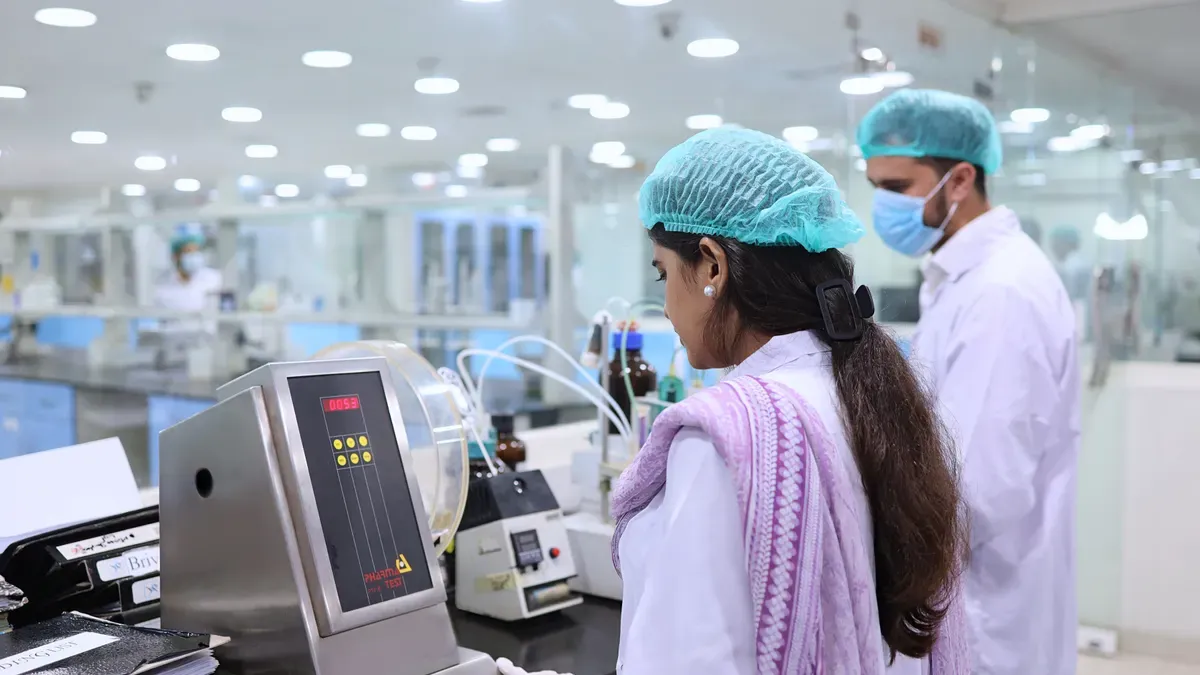
You need to look past certificates and see how a syringe manufacturer really makes its products. The way it produces and tests items decides if each unit meets safety and performance goals.
Production and Quality Control
A trustworthy facility uses automated systems and tight cleanroom controls. Full automatic assembly lines combine feeding, assembly, bonding, inspection, and packaging in one closed system. Servo precision control and CCD vision inspection keep quality steady and yields high. These lines run under GMP-compliant, cleanroom-grade conditions and support multi-spec production. Integrated IoT allows 24/7 tracking of production metrics, equipment status, and quality data. Smart features include remote diagnosis, predictive maintenance, and full-process quality traceability.
Cleanroom assembly in ISO Class 7 or 8 with HEPA filtration controls particle and microbe contamination. Automated barrel-plunger insertion and needle bonding cut down human contact. Quality control checkpoints include dimensional accuracy testing, seal integrity checks by pressure-decay or dye-penetration, slip force measurement, and visual or automated inspection for defects. Statistical process control tracks production consistency. Batch documentation gives full traceability as required by ISO 13485 and FDA 21 CFR Part 820. These device quality system requirements form the base of a compliant operation.
Batch Testing and Sterility
Every batch must pass strict testing before release. Leak-proof testing confirms each syringe holds and gives medication effectively. Visual inspection catches cracks, misaligned parts, and air bubbles. In-line camera inspection checks the barrel for cracks, scratches, bubbles, inclusions, airlines, and impurities. These steps support iso 7886 compliance and dosing accuracy.
Sterilization validation proves that terminal sterilization reaches the required Sterility Assurance Level, typically SAL 10⁻⁶ for medical devices. You should ask for the sterilization validation report and sterilization validation records from any potential supplier. These documents show that the manufacturer follows ISO 11135:2014 for EO sterilization or ISO 11137-1:2006 for radiation sterilization. ISO 11607-1/2 defines packaging requirements for terminally sterilized devices. ISO 11737-1/2 provides microbiological methods for bioburden estimation and sterility testing. Batch-specific documentation ties each production lot to its sterilization cycle. This documentation protects you and your patients.
A quality syringe manufacturer will share these records without hesitation. A reliable manufacturer maintains strict quality system regulations and provides full documentation for every batch. When you evaluate surgical syringes manufacturers, ask for sterilization validation records upfront. This step separates reliable suppliers from those who cut corners.
Product Design and Safety Features
Needle Protection Features
Before you choose a supplier, compare how each needle protection design works. Each design gives you different levels of safety and ease of use. Passive designs activate as part of normal injection motion, while active designs require an additional step. These features minimize needlestick injuries.
Usability and Clinical Fit
Ease of use and training needs change from design to design. Passive retraction models need almost no extra training. Active shield designs require you to learn the correct activation motion. You should test samples with your clinical team before you buy.
Compatibility with your workflow matters just as much. A syringe that slows down nurses or disrupts standard procedures will face resistance. Ask your surgical syringes manufacturers for trial units. Confirm that the safety feature works with your existing disposal containers and protocols.
Manufacturers offer a variety of syringe models to meet different clinical needs. Each model supports safety and accurate dosing. Some designs minimize medication waste; others provide a secure connection for high-pressure procedures. These sterile hypodermic syringes meet strict quality standards. Reliable manufacturers also provide full documentation for sterilization and dosing accuracy. This support helps you meet regulatory requirements with confidence.
Company Reputation and Track Record
Longevity and Client References
Start your check by seeing how long a syringe maker has been in business. A company that has worked for many years has dealt with rule changes and market shifts. Look for a start date and a steady record of making products. You can find this data on the company site, business records, and industry lists.
Next, ask for client references. Talk to hospitals, clinics, or distributors that have bought from that supplier. Ask about product quality, on-time delivery, and how the company fixes issues. You should also look for the maker at trade shows and in industry articles. A good reputation often shows up in awards, partnerships, and repeat orders.
A manufacturer with a long history and positive client references is a good starting point.
Recalls and Warning Letters
You must look for FDA warning letters and recall history. Go to the FDA's Warning Letters database and search the company name. A warning letter means there were serious quality system problems. Then check the FDA's Medical Device Recall database. Search for the maker and read any recall records. Look at the reason for the recall, its risk level, and how the company handled it.
You should also check the EUDAMED database for field safety actions in Europe. Many recalls or warning letters over time is a bad sign. One isolated problem with a good fix may be okay. Many issues over time point to deeper flaws.
A third-party factory audit gives you independent proof that a supplier follows device quality system requirements. Do not rely on self-reported claims alone.
You can hire a third-party audit firm to inspect the factory. This step proves that the maker meets quality rules in real life. Ask for records of fixes from past recalls. Dependable surgical syringes manufacturers will share this information freely. A factory audit also confirms that the quality system works as described. Use these checks to find trustworthy makers and avoid those with hidden risks.
Supply Chain and Capacity
Capacity and Lead Times
You need to make sure a supplier can handle your order size without waiting. Minimum order quantities (MOQs) differ by supplier type and region. MOQs can range from 10,000 to 500,000 pieces depending on the supplier profile. Lead time is usually six to twelve weeks after artwork approval and deposit. The table below compares common supplier profiles.
Supplier Profile | Production Region | MOQ (pieces) | Estimated Lead Time (weeks) |
|---|---|---|---|
High-volume OEM | East Asia | 100,000–500,000 | 8–14 |
International contract manufacturer | South Asia | 50,000–250,000 | 10–16 |
Regulated-market manufacturer | Western Europe | 25,000–100,000 | 10–18 |
Private-label export supplier | East Asia | 30,000–150,000 | 6–12 |
Regional medical-device producer | Latin America | 20,000–100,000 | 8–14 |
North American specialty supplier | North America | 10,000–50,000 | 4–10 |
Ask your potential supplier for a capacity statement. This document shows monthly output and available production lines. A reliable syringe manufacturer in china will share this data openly.
Material Sourcing and Contingency
Medical-grade plastics, metals, and rubber need careful sourcing. Top manufacturers qualify multiple suppliers in different regions. This supplier diversification avoids single-source dependency. Dual-sourcing for must-have components balances cost control with risk management.
Contingency plans protect you from disruptions. You should ask about backup suppliers and their qualification status. Demand forecasting and capacity planning help suppliers handle spikes from vaccination campaigns or pandemics. Real-time inventory tracking and advanced planning software spot hiccups before they grow. Regulatory compliance monitoring keeps every supplier aligned with FDA and European requirements.
A manufacturer located in a region with strong supply chain infrastructure can ensure reliable material flow and efficient logistics. Full documentation for quality and sterilization processes helps you verify every step of the supply chain.
Cost and Value
Unit Pricing and Total Cost
You should compare the price per unit with the total cost of owning it. Safety-engineered syringes typically cost more than conventional syringes due to additional safety features. Hidden costs include packaging, waste disposal, storage, inventory risks, compatibility checks, regulatory paperwork, and training. Export and import costs split into four layers: product costs, trade movement costs, border costs, and costs after arrival. Fees people often miss include wrong HS code classification, peak season surcharges, split-shipment costs, third-party certification, translation, customs exam fees, and demurrage penalties.
A needlestick incident can lead to significant medical costs and lost productivity. Lawsuits from disease transmission can also result in substantial expenses. These numbers are far bigger than any per-unit savings from a cheaper product.
Balancing Cost and Safety
You must weigh cost savings against safety and compliance risks. A lower-priced conventional device may look good against a yearly materials budget. If more exposures happen, the apparent savings can vanish. Unit price is easy to compare, but injury prevention is less visible because it is an event that does not happen.
Safety-engineered syringes significantly reduce needlestick injuries and syringe reuse incidents. Most facilities see a return on investment over time. A safety-engineered syringe that costs more than a conventional one but prevents a single lifetime of hepatitis C treatment is not expensive. It is an investment.
Choosing a manufacturer that offers competitive pricing without lowering quality is possible. Look for suppliers that provide full documentation for compliance and quality management. This openness helps you verify every claim before you commit.
Customer Support and Communication
Responsiveness and Technical Support
You can check how well a supplier responds before you sign a contract. Send a technical question and see how quickly the company answers. Track how fast they give quotes, respond to complaints, and share documents. Ask if the manufacturer provides product guides, staff training materials, and special customer service channels. Good technical support shows the supplier cares beyond the first sale.
Strong support teams watch specific numbers. Review these metrics when you check a potential partner.
Indicator | What It Measures | Why It Matters |
|---|---|---|
First response time | Time between ticket creation and the first real reply | Faster responses reduce uncertainty |
First contact resolution | Percentage of issues solved in the first interaction | Higher rates mean fewer repeat contacts |
Customer satisfaction score | Satisfaction with a specific support interaction | Direct feedback on service quality |
Set up communication rules early. Pick a dedicated account manager, plan regular business reviews, and create direct technical support channels. Ask for references from other hospitals. Their experiences show how the supplier handles problems after delivery.
Documentation and After-Sales Service
You must review the paperwork a supplier gives you. Request Certificates of Analysis, Safety Data Sheets, and ISO certificates. These files prove that the manufacturer meets device quality system requirements. Check that the company provides quality documents for every batch. This includes sterilization validation records and technical documents for regulatory submissions. A reliable partner will share these files without delay.
After-sales service terms matter just as much. Ask about product replacement policies and return procedures. Confirm that the supplier offers OEM services and customized solutions. Review the quality system requirements that govern support after delivery. A commitment to quality and service helps you meet your own compliance goals with confidence.
You now have a seven-step checklist to check suppliers. First, confirm certifications. Second, inspect manufacturing quality. Third, review product design. Fourth, check reputation. Fifth, assess supply chain capacity. Sixth, weigh cost against value. Seventh, test customer support. Go through each step in order.
Checking everything carefully protects patient safety much more than a low starting price ever will. Ask for samples, plan a factory audit, and double-check references before you sign. Reliable surgical syringes manufacturers in 2026 will show transparency and adjust to changing rules. Ask for full documentation at every stage. These manufacturers earn trust through openness, not just claims.
FAQ
How do I check a manufacturer's FDA clearance?
Go to the FDA's 510(k) database and search by company name or product code. Look at the decision date and clearance status. For European markets, confirm EUDAMED registration and a valid Notified Body certificate. Always ask the supplier for the Declaration of Conformity directly.
Can a cheaper syringe really save money?
Compare the unit price with the total cost of owning it. A needlestick incident can lead to significant medical costs and lost productivity. Safety-engineered syringes reduce injury rates. Most facilities see a return on investment over time. Cheap devices often carry hidden liability costs.
What lead time should I expect for a bulk order?
Standard lead time runs six to twelve weeks after artwork approval and deposit. Minimum order quantities for sterile units usually range from 10,000 to 100,000 pieces. Ask for a capacity statement before you commit.
What documentation should a supplier provide?
Ask for Certificates of Analysis, sterilization validation records, and ISO certificates for every batch. Confirm the supplier holds ISO 13485 and ISO 11135 or ISO 11137 certifications. A reliable partner shares these files without delay.
Recent News
1.How to Choose the Right 1 mL Syringe for Your Needs
2026-09-212.How to use an insulin syringe safely and effectively
2026-07-243.How to Choose a Reliable Insulin Syringe Manufacturer for Global Medical Supply?
2026-07-204.Hypodermic Syringe vs Normal Syringe: What Is the Difference and Which One Should You Choose?
2026-07-095.What is the difference between Luer Lock and Luer Slip Syringes?
2026-06-126.What Is a Disposable Insulin Syringe and How Does It Work
2026-05-287.How to use disposable syringes
2026-05-28